In this episode, we travel to Łódź, Poland, during the Urban Future conference, to discover a post-industrial city with a complex past and, thanks to bold actors, a promising future. Our guest is Waldemar Olbryk, Managing Director of Archicom and one of the key figures behind Fuzja, a flagship urban regeneration project that turns 8 hectares of abandoned factory land into a green, multifunctional, and inclusive neighborhood.
But make no mistake: this isn’t your usual real estate story. This is about transformation. About rethinking how we build, how we live, and how we bring nature and community back to the heart of our cities.
A time machine for the City
Waldemar speaks of real estate with surprising poetry. For him, it’s not just about buildings. It’s about legacy.
“It’s a privilege to have this time-machine opportunity,” he tells us. “You plan something, imagine something… and five years later you see the fruit of your effort. So it’s crucial to stay faithful to your values, to look ahead to the future, and imagine how people will use these spaces when you are no longer there.”
This long-term mindset is rare and necessary. Especially in a city like Łódź, where decades of industrialization and abandonment have left both scars and stories in the urban fabric.
Fusion, not just function
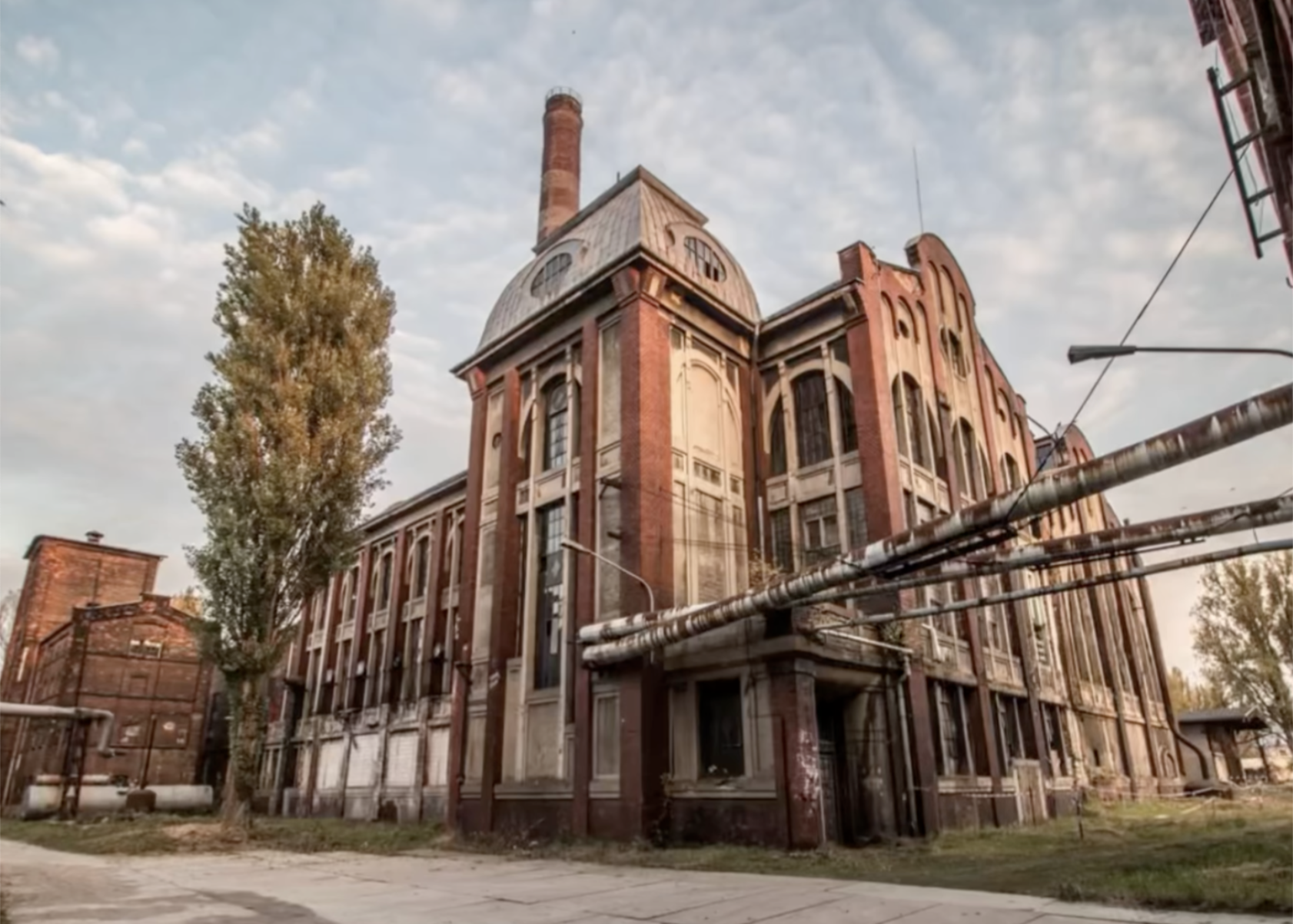
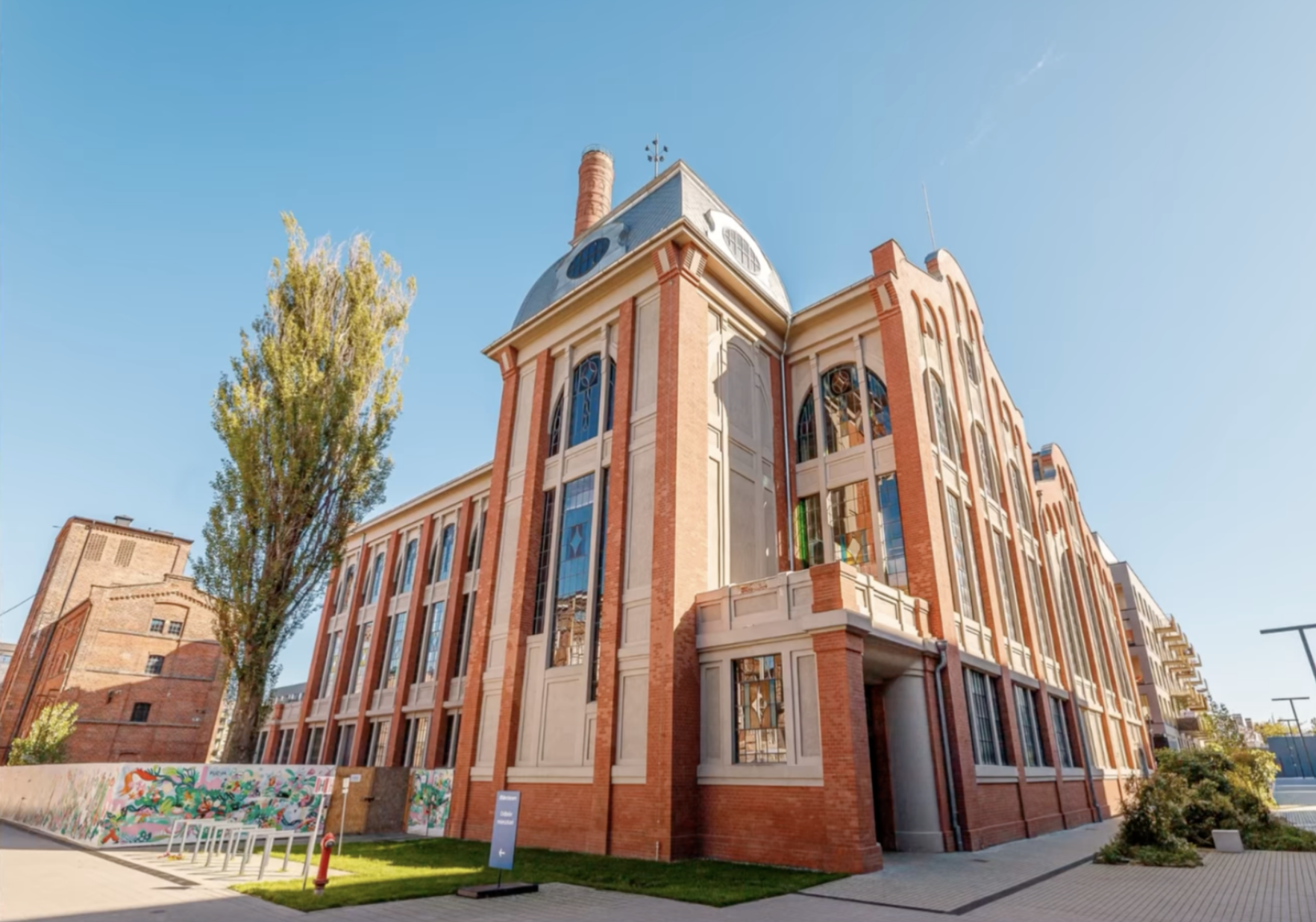
The project is called Fuzja, inspired by the idea of fusion: a mix of uses, people, energies. The site includes 15 historical buildings and plans for over 50 new ones. But rather than demolish and replace, Waldemar and his team chose to reimagine.
“It’s really against this easy approach: ‘Let’s build, let’s sell, and let’s forget.’ We use what we have in a different way because the world has changed.”
Credit : echoinvestment
At the heart of Fuzja is an old power plant an architectural gem of colored walls and stained glass, now surrounded by lush green spaces and a square turned into a park: the Gardens of Anna, named after the wife of the factory’s original owner, a pioneer in green urbanism at the time.
A City experiment
What makes this project unique is its ethos. Fuzja became a living lab for ideas, where concerts were held between unfinished buildings, art was invited in, and fences were opened to let communities flow through.
“We made people think: ‘If next door is a music school, maybe we can invite them for a concert.’ That’s how the space came alive,” Waldemar recalls.
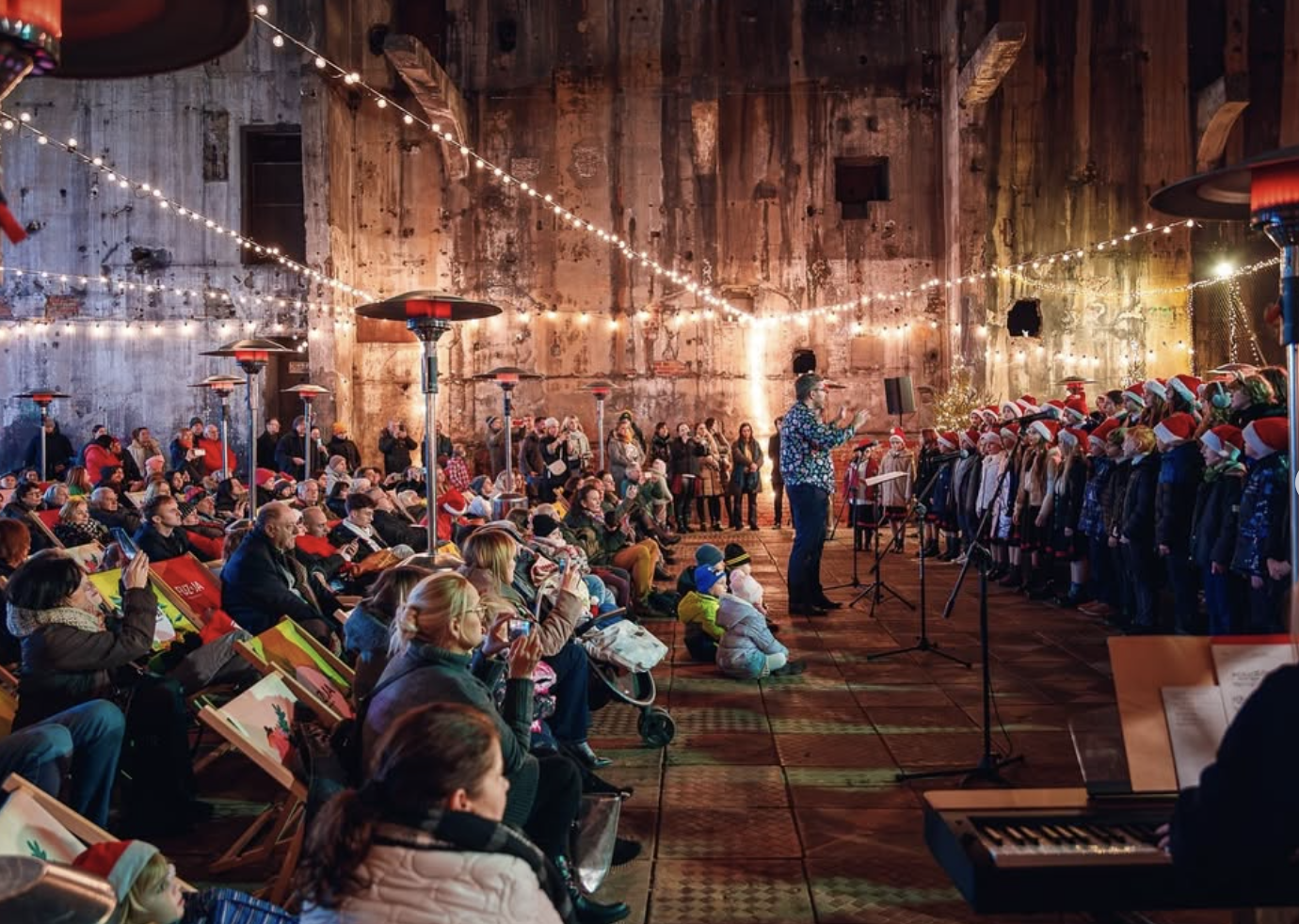
The project is animated by experimentation. Mistakes were made, lessons were learned. But through persistence, the neighborhood began to transform into what Waldemar calls a “third place” a space for connection beyond home and work.
“I really like the concept of the third place,” he says, citing sociologist Ray Oldenburg. “We must create the pretext for people to meet.”
Greenery as a promise…and a fight
Waldemar is quick to point out that greenery in cities isn’t just a box to tick.
“Green sells better,” he admits frankly. “But it’s also a must for biodiversity, for microclimate, for well-being.”
At Fuzja, every project includes a green brief: design requirements that ensure quality vegetation, ease of maintenance, and community use. Pocket parks are built even in small developments. Community gardens, including greenhouses, have been integrated into some of the newer projects.
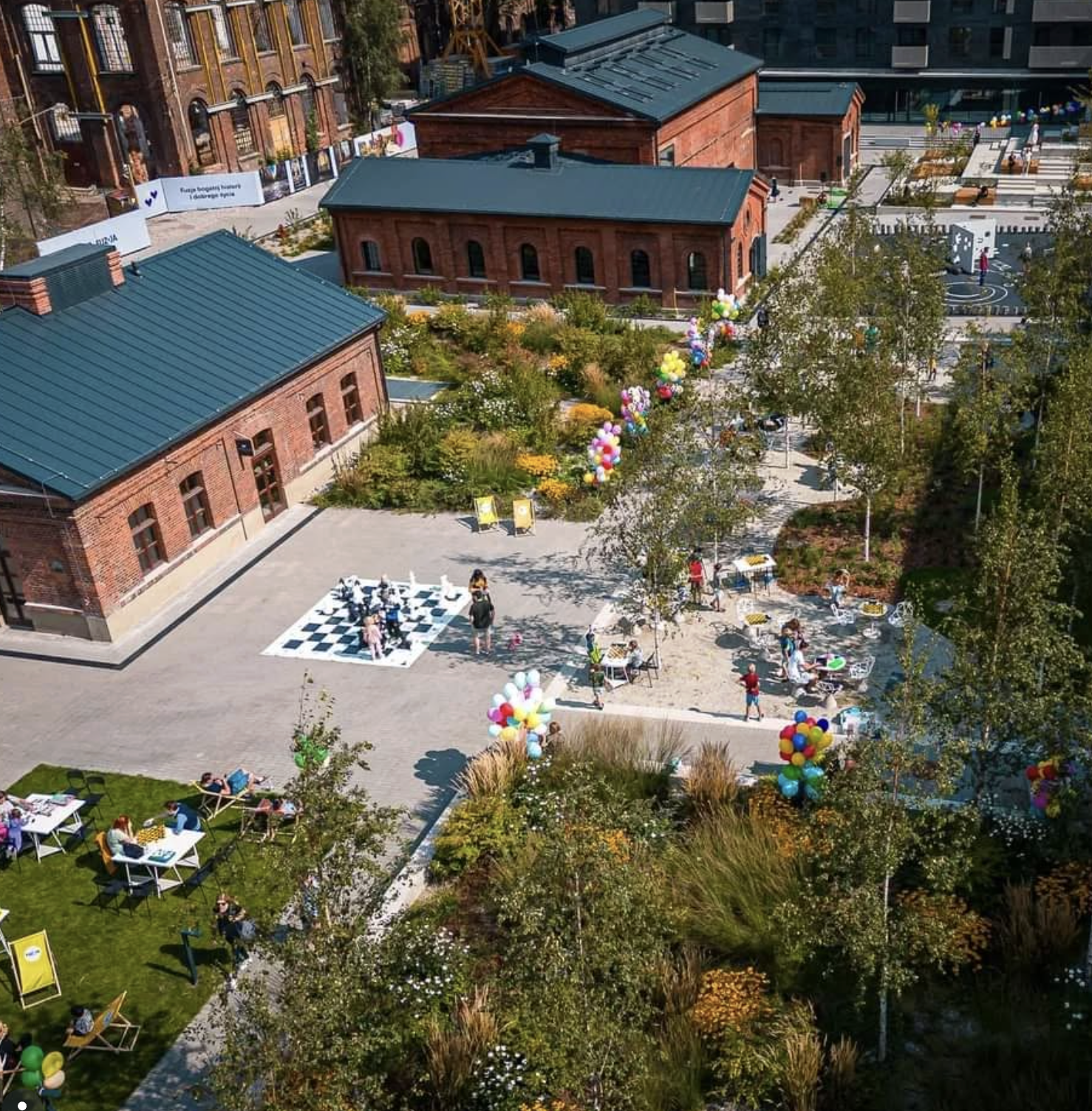
But greenery, he warns, is often the first line in the budget to be cut.
“If you believe in the value creation, you need to be like a pit bull to fight for green,” Waldemar laughs. “It’s better to compromise elsewhere than sacrifice nature.”
Despite working in a listed company, Waldemar prefers to let actions speak louder than reports.
“If you do business right (based on values) you don’t need to chase ESG reports. The report writes itself.”
From selecting materials to ensuring proper waste management during construction, from green energy suppliers to inclusive placemaking, Fuzja shows that resilience and profitability can go hand in hand.
Collaboration and courage: The future of Cities
For Waldemar, the biggest risk in real estate isn’t financial. It’s staying relevant in a rapidly changing world.
“My job is to design for a future I won’t be part of,” he says. “So I keep asking: How is the world changing? What ideas are we missing?”
His advice to fellow urban changemakers? Be curious. Experiment. Fail. Try again. And most of all, don’t do it alone.
“Good feedback is a gift. You need people who challenge your ideas, and you need to be ready to let go of the ones that don’t work.”
What started as a risky investment on a forgotten piece of land is now becoming a green beacon in Łódź’s urban landscape. It’s not perfect, and it’s not finished, but it’s alive.
“We believe that cities should be built around people and nature. Not the other way around.”
And we couldn’t agree more.
Host and writer: Fanny Téoule
Guest: Waldemar Olbryk
Audio editors: Nor Jihane Touati & Karl Dickinson
Music composer: Jenny Nedosekina
Graphic designer: Julia Micklewright