Water, Stone, and Sun: Nature as the First Urban Architect
Chapter 2: Nature-Based Solutions in Historical Architecture
by Danial Hosseini – 26.01.26
Chapter 2: Nature-Based Solutions in Historical Architecture
by Danial Hosseini – 26.01.26
From the moment people began to settle and build, they turned instinctively to nature for guidance. The earliest cities did not rise against the landscape but within it, shaped by the rhythm of rivers, the tilt of the sun, and the texture of the earth itself. Long before the first engineer drew a plan, water carved the blueprint of urban life. The ancient world’s greatest civilizations, including those of Mesopotamia, Egypt, Persia, the Indus Valley, and the Ancestral Puebloans, were built upon a single realization: the environment was not an obstacle to civilization but its foundation.

DANIAL HOSSEINI (Researcher)
Danial is a researcher in sustainable development and climate change, driven by curiosity about how societies navigate transitions toward more resilient futures. His work highlights the role of collaboration and collective learning, moving beyond traditional methods to embrace perspectives shaped by complexity and lived experience. He sees research not just as analysis, but as a shared process of discovery that connects people, places, and possibilities.
Civilization began wherever water stayed. In Mesopotamia, often called the cradle of civilization, the Tigris and Euphrates were more than sources of water; they were the city’s lifelines. Early urban centres such as Ur and Babylon engineered vast networks of canals, reservoirs, and levees to manage the seasonal floods. These systems transformed unpredictable rivers into stable arteries of agriculture and trade. The city’s plan mirrored its hydrology: canals framed fields, temples faced the water, and the city’s hierarchy rose like a delta of human ingenuity.
This was not domination but negotiation. The Sumerians understood that defying water meant preaching. Their approach of diverting, storing, and releasing water in rhythm with the seasons embodied an early form of what we now call resilient urban design.
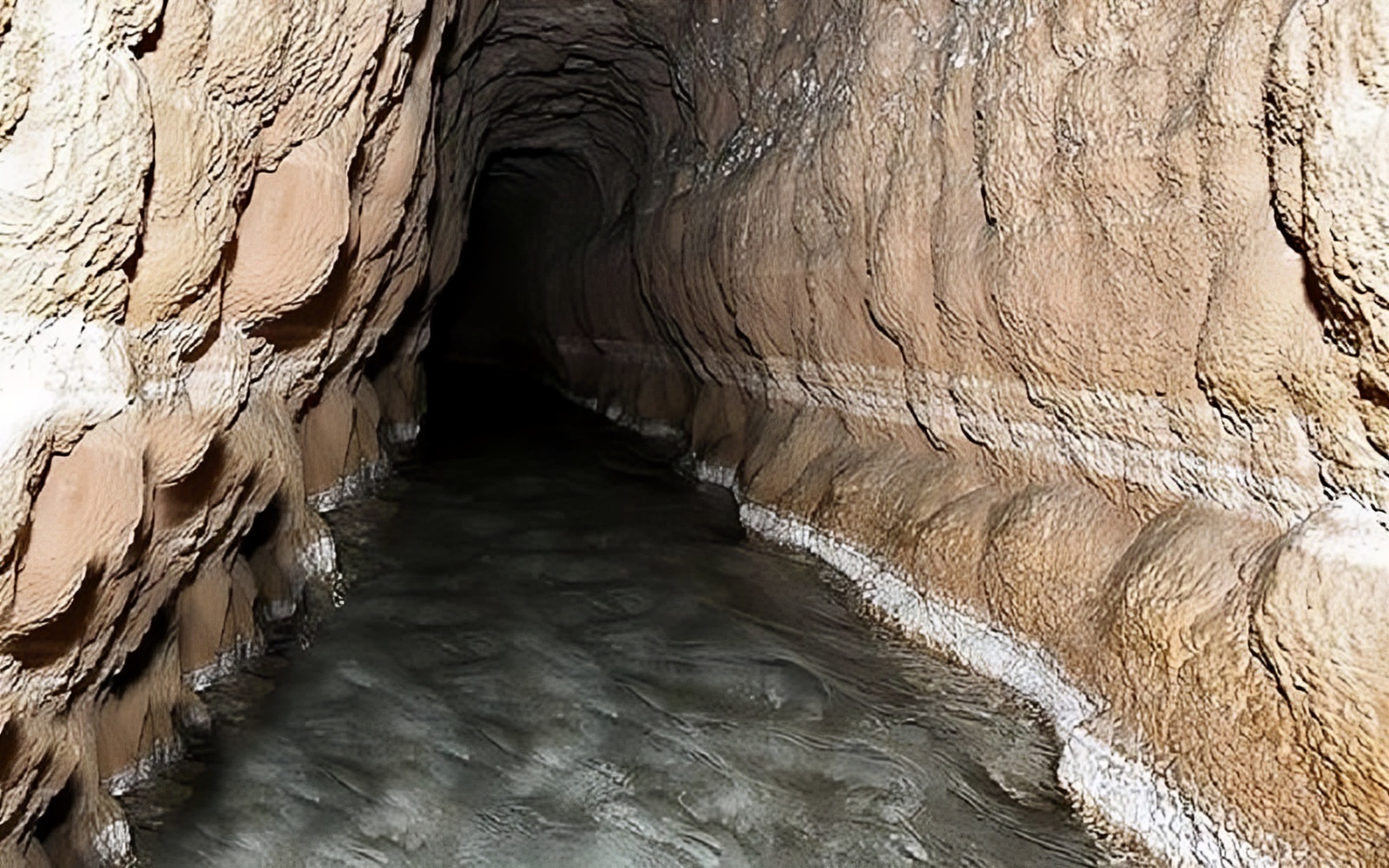
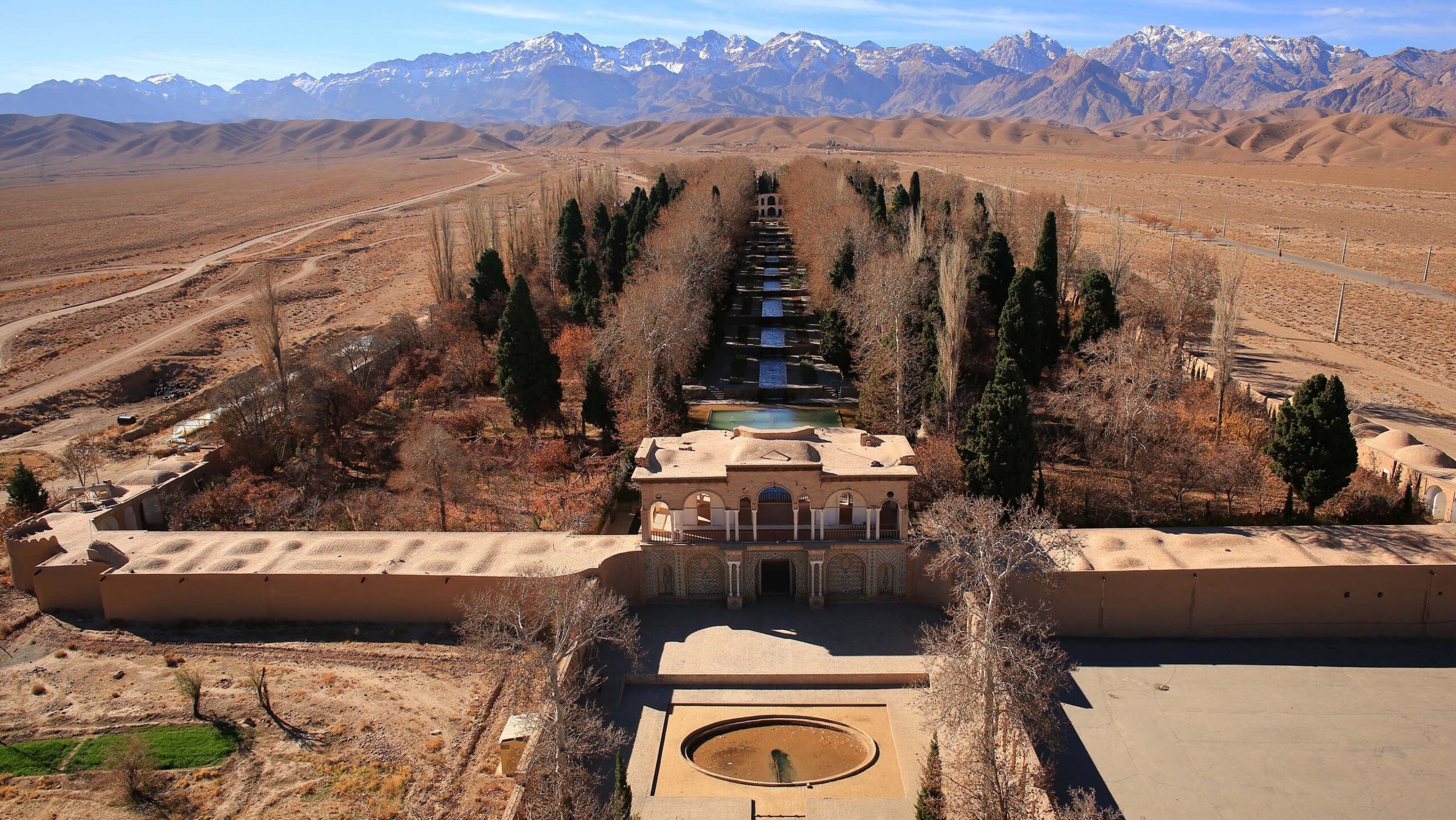
Beneath the arid soils of ancient Persia ran one of humanity’s quietest yet most practical inventions. Developed around 1000 BCE, the qanat was an underground tunnel system that guided groundwater from mountain aquifers to the surface without the need for pumps or machinery. By relying entirely on gravity, it minimized evaporation and sustained agriculture, gardens, and entire cities across the desert plateau. Settlements such as Yazd and Gonabad thrived along these subterranean lifelines, where water flowed unseen beneath the earth. Through the qanats, people transformed geology itself into a living infrastructure, creating one of the earliest and most enduring models of environmental harmony.
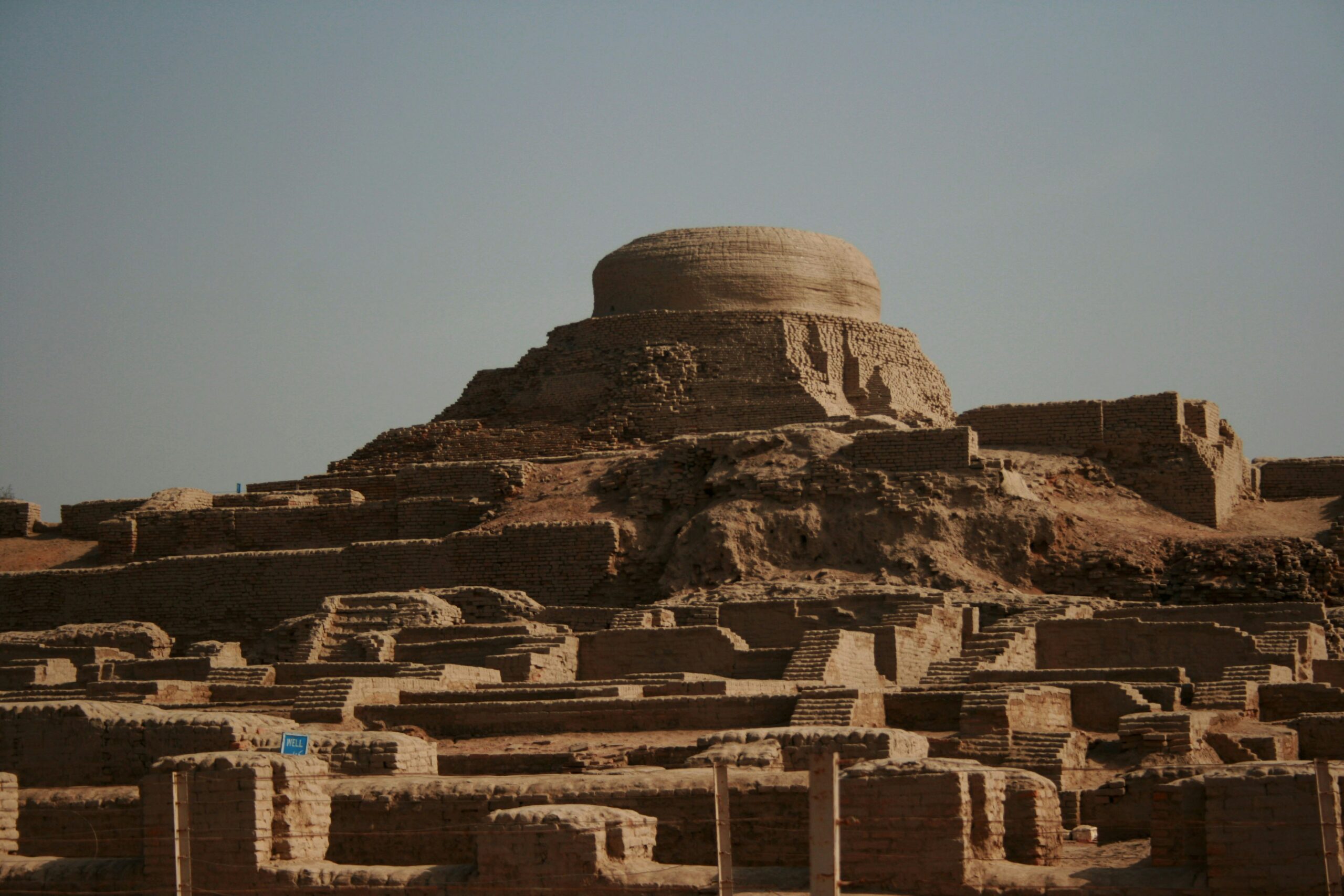
Wherever cities emerged, stone became a quiet but essential collaborator in shaping the urban environment. In the Indus Valley, the builders of Mohenjo-Daro and Harappa used baked brick and carefully planned street grids to manage water, waste, and wind. Their drainage systems, among the most advanced of the ancient world, carried rainwater and sewage through covered channels that still astonish modern engineers. Every brick, every gradient, and every alignment reflected deliberate environmental reasoning rather than mere craftsmanship. Local materials, drawn from nearby riverbeds, provided both structure and insulation, while the thermal mass of stone kept interiors cool during the fierce South Asian heat. Stone was not simply a building material; it was a record of adaptation, preserving in its weight and texture the ancient understanding that true comfort comes not from resisting the climate but from living in harmony with it.
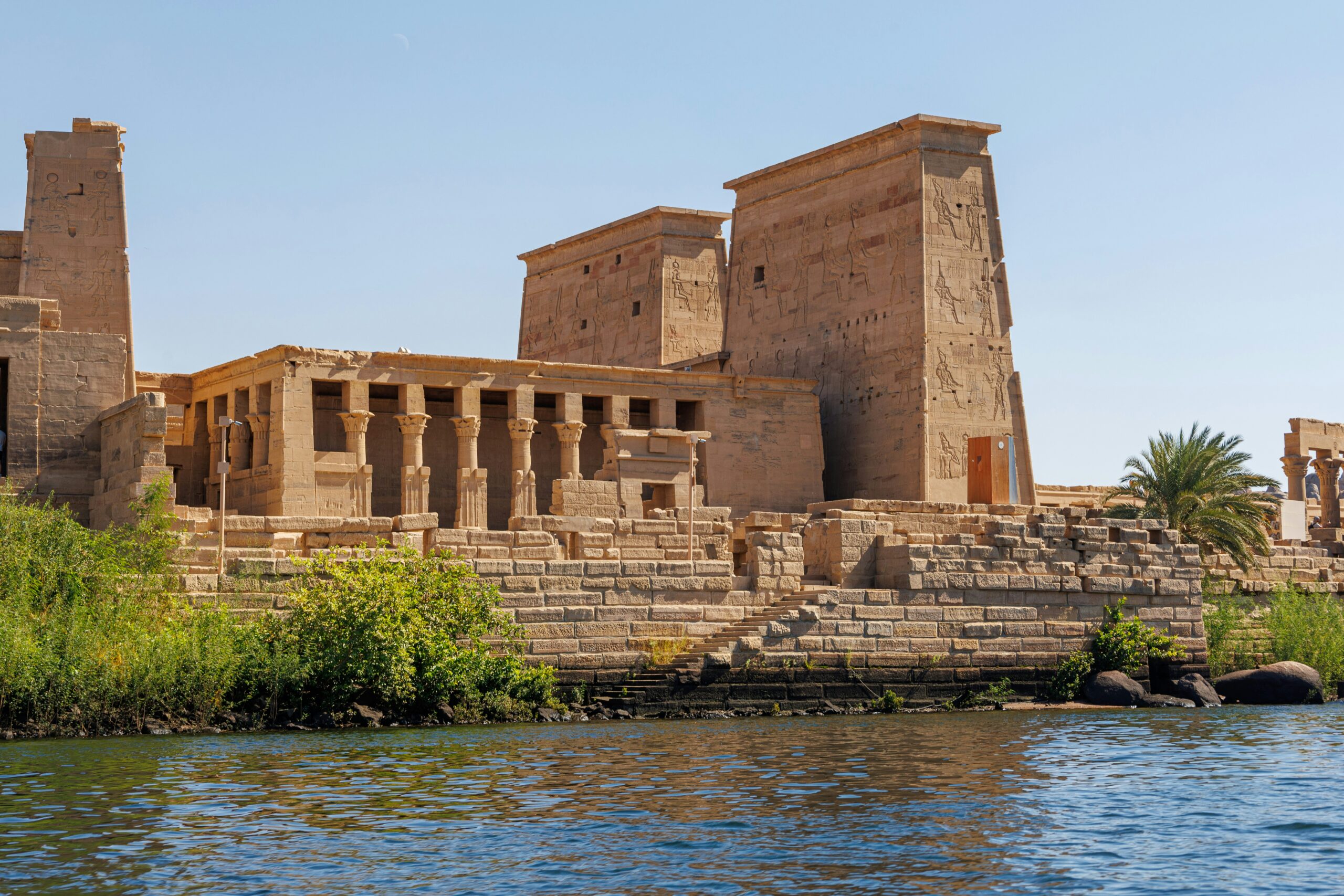
Long before the term “solar architecture” existed, ancient builders were already masters of light and shade. In Egypt, temples and pyramids were precisely aligned to capture the solstices, the rising sun striking corridors of stone only twice each year. These alignments were both astronomical instruments and spiritual expressions, turning architecture into a calendar of light.
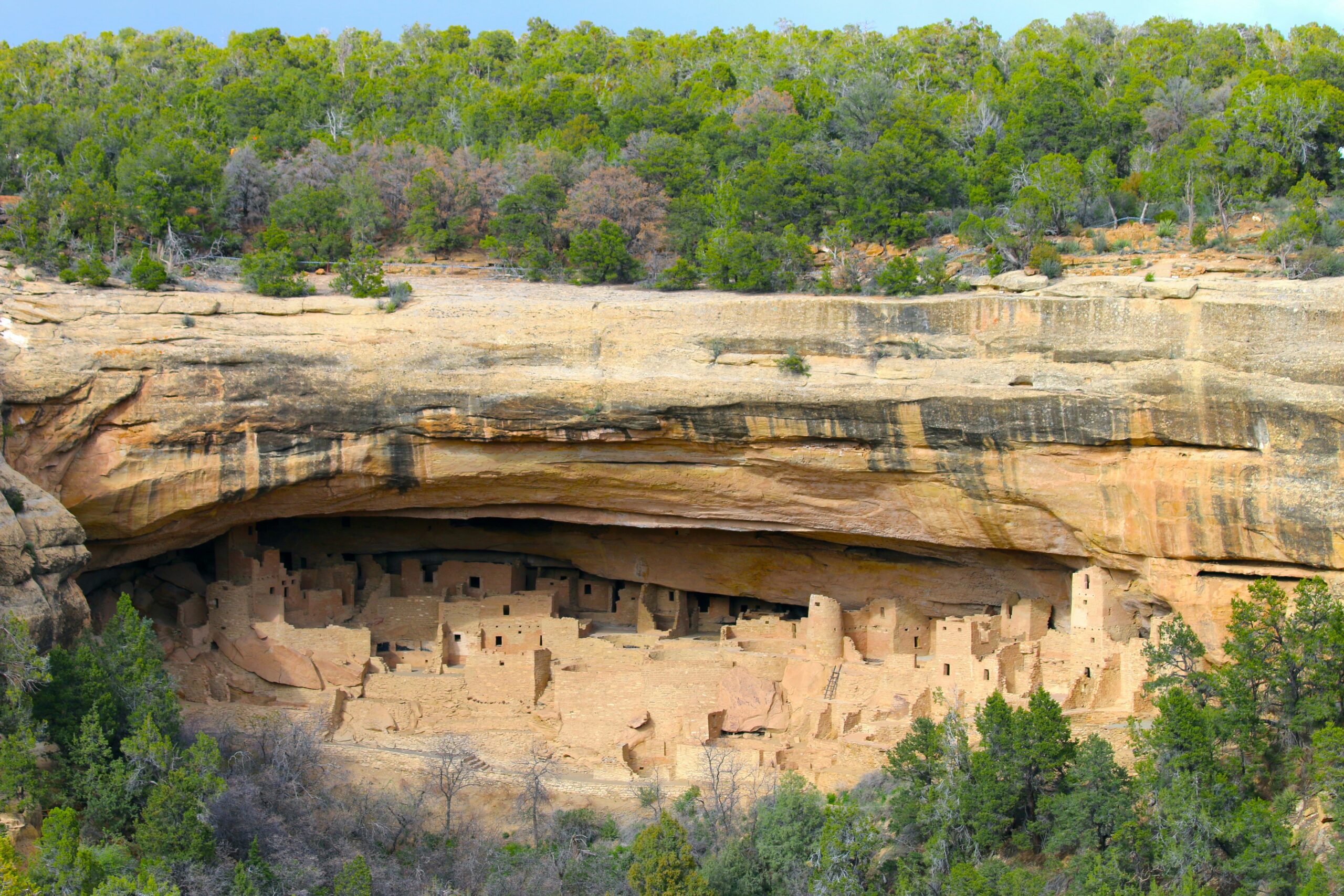
Across the ocean, the Ancestral Puebloans of the American Southwest built their settlements with similar precision. At Mesa Verde and Chaco Canyon, homes and ceremonial structures were carved into cliffs and aligned to the sun’s seasonal movement. In winter, sunlight reached deep into the dwellings for warmth. In summer, the high cliff shadows kept them cool. Sunlight also marked planting seasons and sacred days, linking the rhythms of daily life to the celestial order. The sun was not merely illumination; it was an engineer, a clock, and a guide for survival.
These ancient civilizations shared a worldview that feels both distant and profoundly relevant: that nature was not a resource to be exploited but a teacher to be observed. Water, stone, and sun were not background elements; they were active participants in shaping urban life. Each material and each landscape offered a dialogue between necessity and reverence.
At some point, however, this partnership was broken. The Industrial Revolution, as later chapters will explore, replaced natural cycles with mechanical ones. Rivers were confined to channels, sunlight was dimmed by smoke, and stone gave way to steel. What had been a conversation became a monologue of control.
Today, as cities confront escalating challenges of heat, drought, and flood, the lessons of these early builders feel newly urgent. We now call them Nature-based Solutions such as green roofs, restored wetlands, and sponge cities, but their essence is ancient. They remind us that sustainability is not an invention of modernity but an inheritance of memory.
The ancients understood that resilience is achieved not by resisting nature but by designing in dialogue with it. Their cities rose where water flowed, their walls breathed with the sun, and their streets followed the contours of the land. Water, stone, and sun, the first urban architects, still hold the blueprints for a future in which human and natural systems thrive together once again.
Stay tuned for the next chapter! …
Mumford, L. (1961). The City in History: Its Origins, Its Transformations, and Its Prospects. Harcourt, Brace & World.
Scarborough, V. L. (2003). The Flow of Power: Ancient Water Systems and Landscapes. SAR Press.
Lehner, M. (1997). The Complete Pyramids: Solving the Ancient Mysteries. Thames & Hudson.
Fathy, H. (1973). Architecture for the Poor: An Experiment in Rural Egypt. University of Chicago Press.
McHarg, I. L. (1969). Design with Nature. Natural History Press.