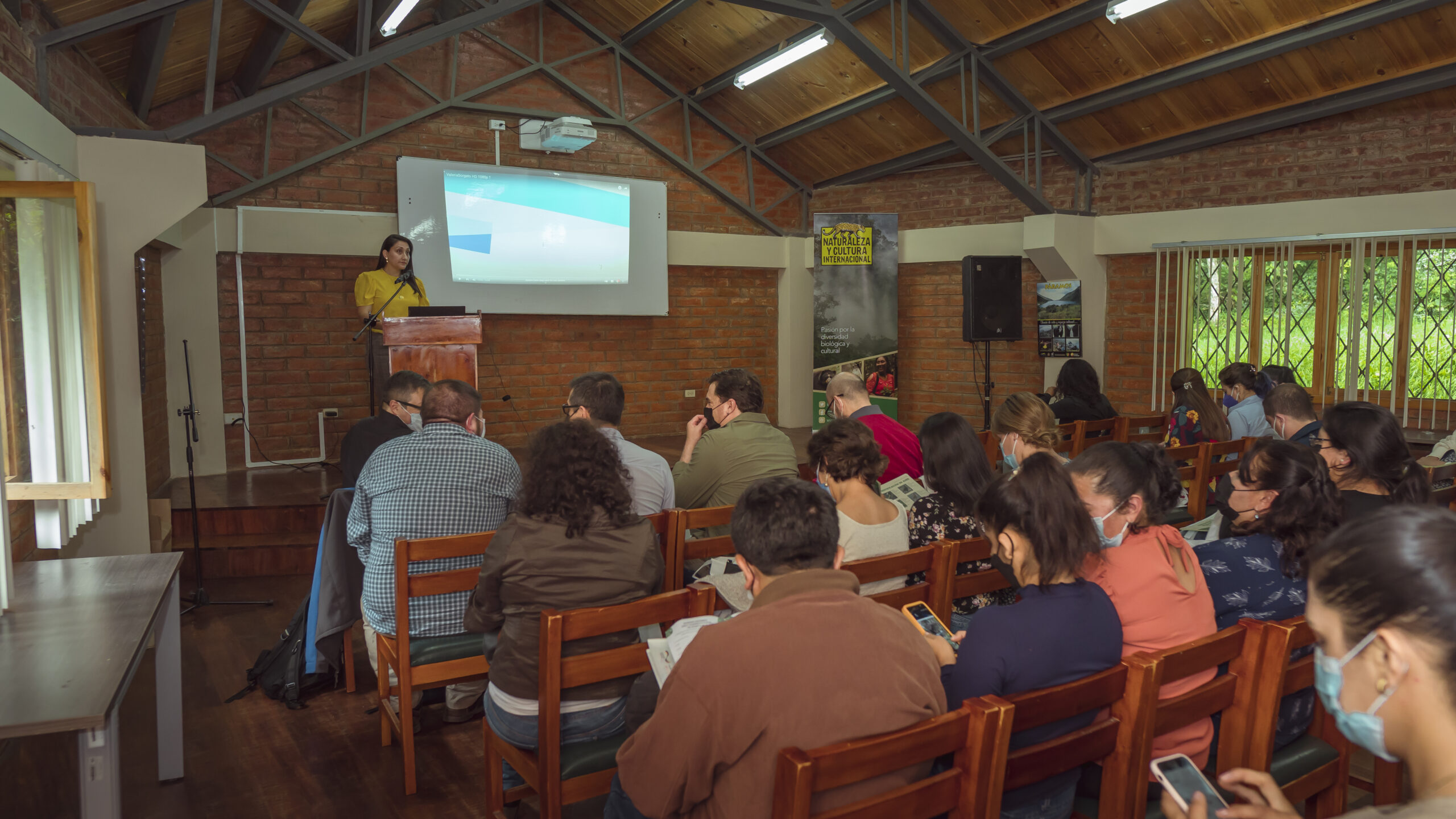
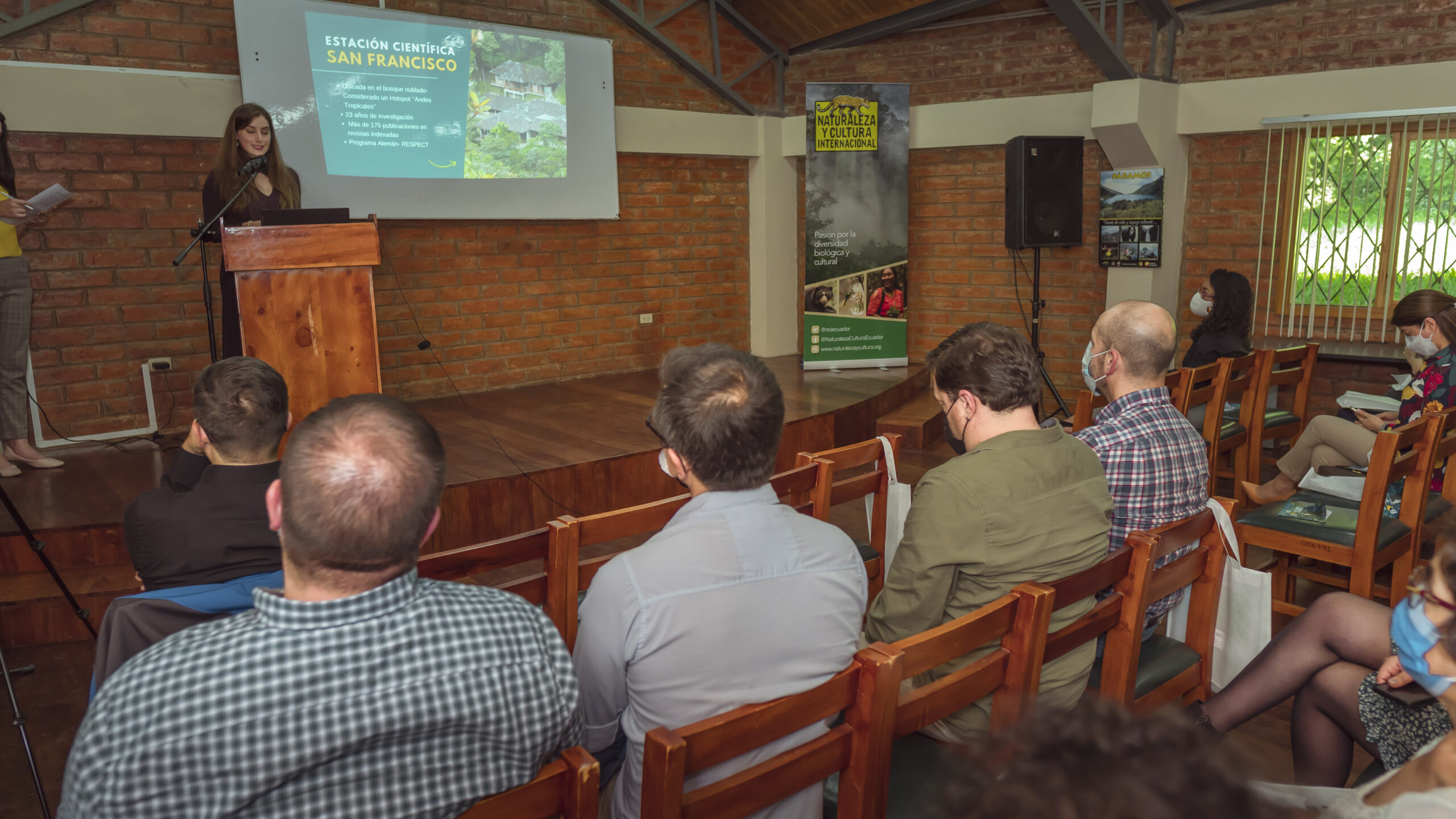
What happens when 23 years of scientific research leave the laboratory and enter a classroom? In this episode of What’s That Green? Podcast, we travel to the Tropical Andean Forest in southern Ecuador with Valeria Sorgato, co-founder and current president of the German NGO gaia-liNc. In this conversation she shows how to translate science into learning, research into local empowerment and forests into futures.
When knowledge stays locked away
For more than two decades, researchers from around the world had been studying the Andean forest at a scientific station in Ecuador. They documented biodiversity, forest dynamics, threats, water systems…more than 175 scientific publications.
But as Valeria explains, something was missing:
“All of this information was only there in the scientific sphere. It wasn’t shared with the community.”
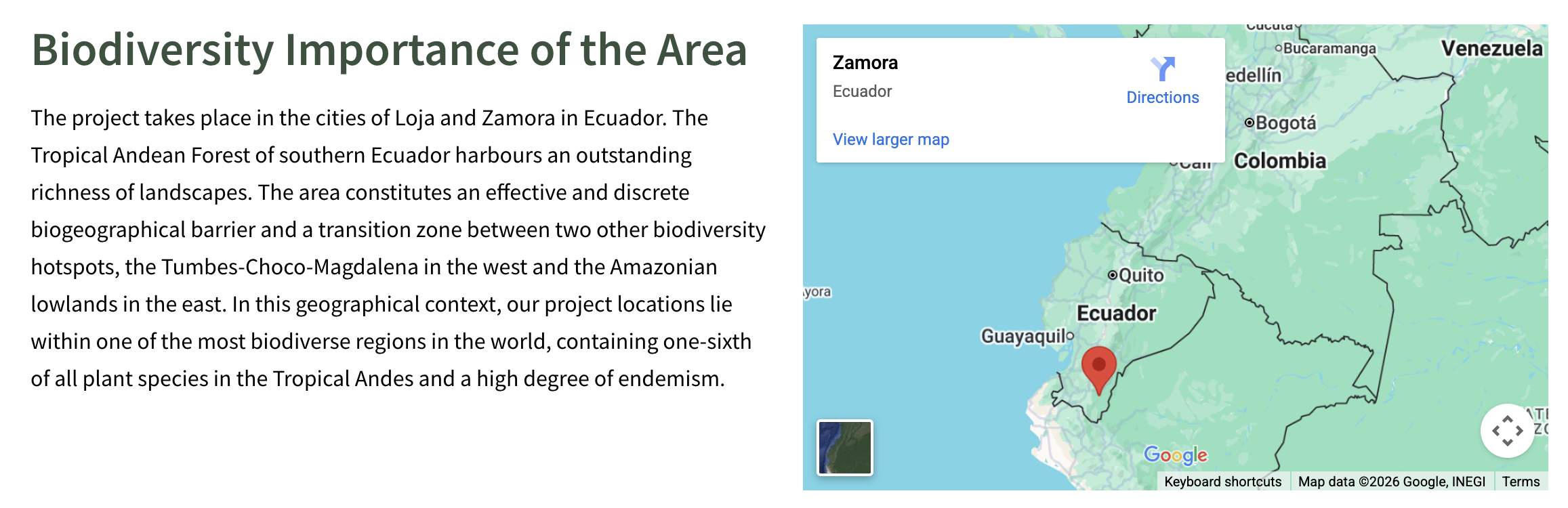
And yet, the surrounding cities, Loja and Zamora, depend directly on that forest. Water, biodiversity, climate regulation, these ecosystem services connect rural landscapes and urban life in very real ways.
So gaia-liNc asked a simple but powerful question: What if the forest could enter the classroom?
Building the bridge: From forest to classroom
The project From the Forest to the Classroom began in 2020, funded through German development cooperation. But rather than imposing a ready-made educational program, the team started with teachers.
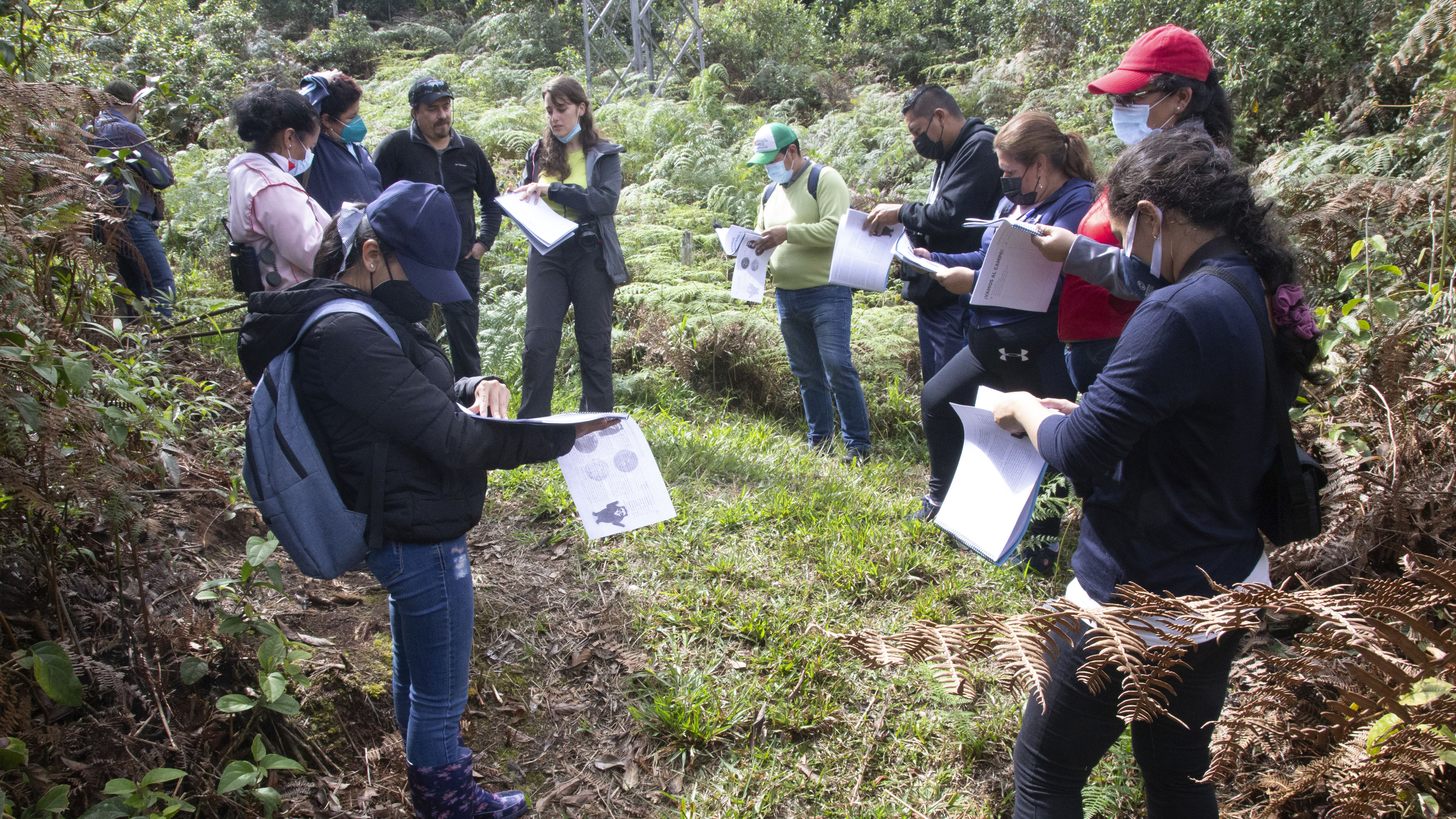
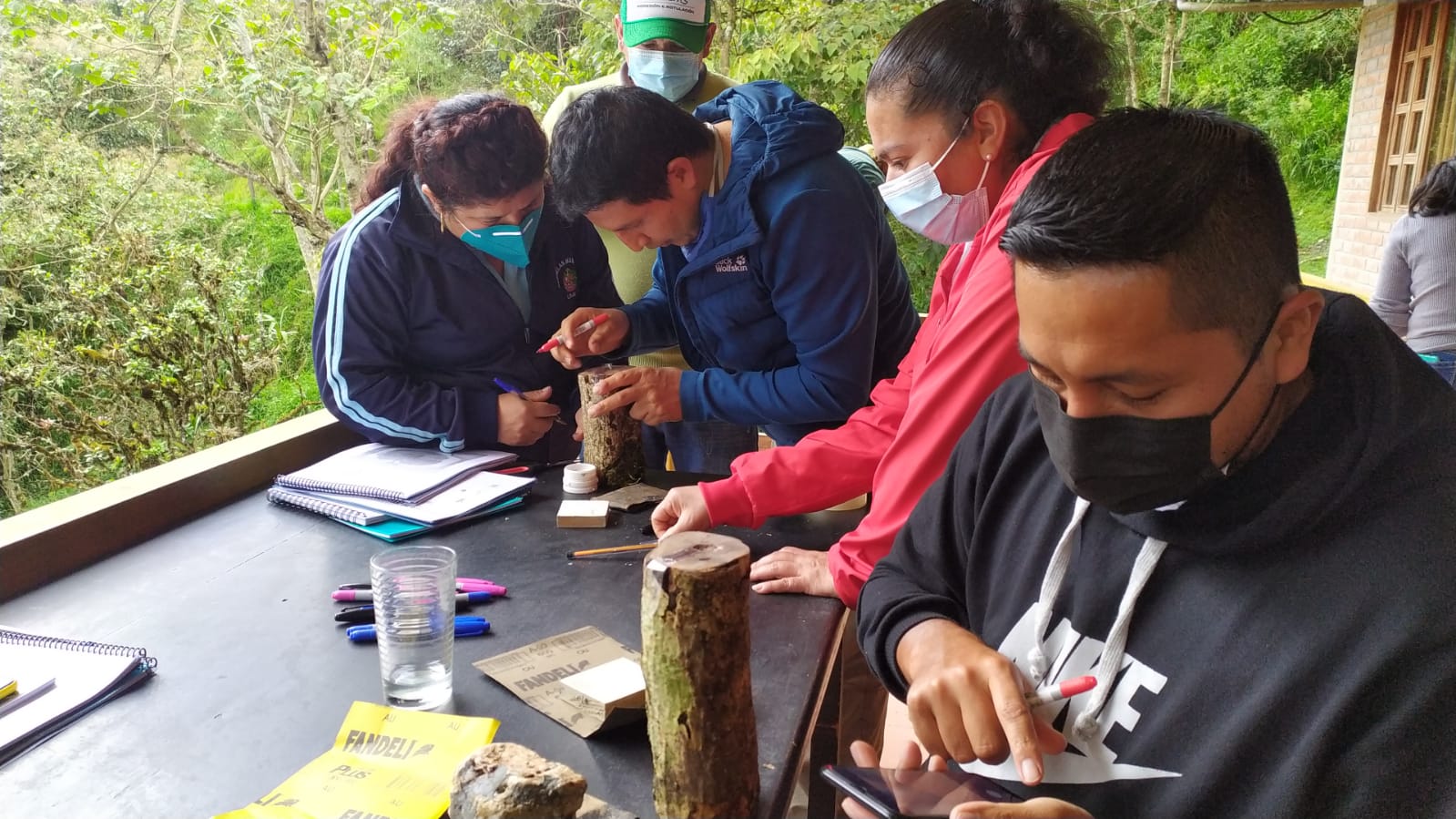
Workshops were organized. Scientists collaborated with educators. Together, they distilled decades of research into six key themes adapted to the school curriculum. They co-created a workbook for children and a guidance manual for teachers.
Trust was essential. A local NGO partner, Nature and Culture International, helped open doors and build credibility. As Valeria reflects:
“If you don’t trust the institution, they won’t open the doors as easily.”
What followed exceeded expectation.
When children become ambassadors
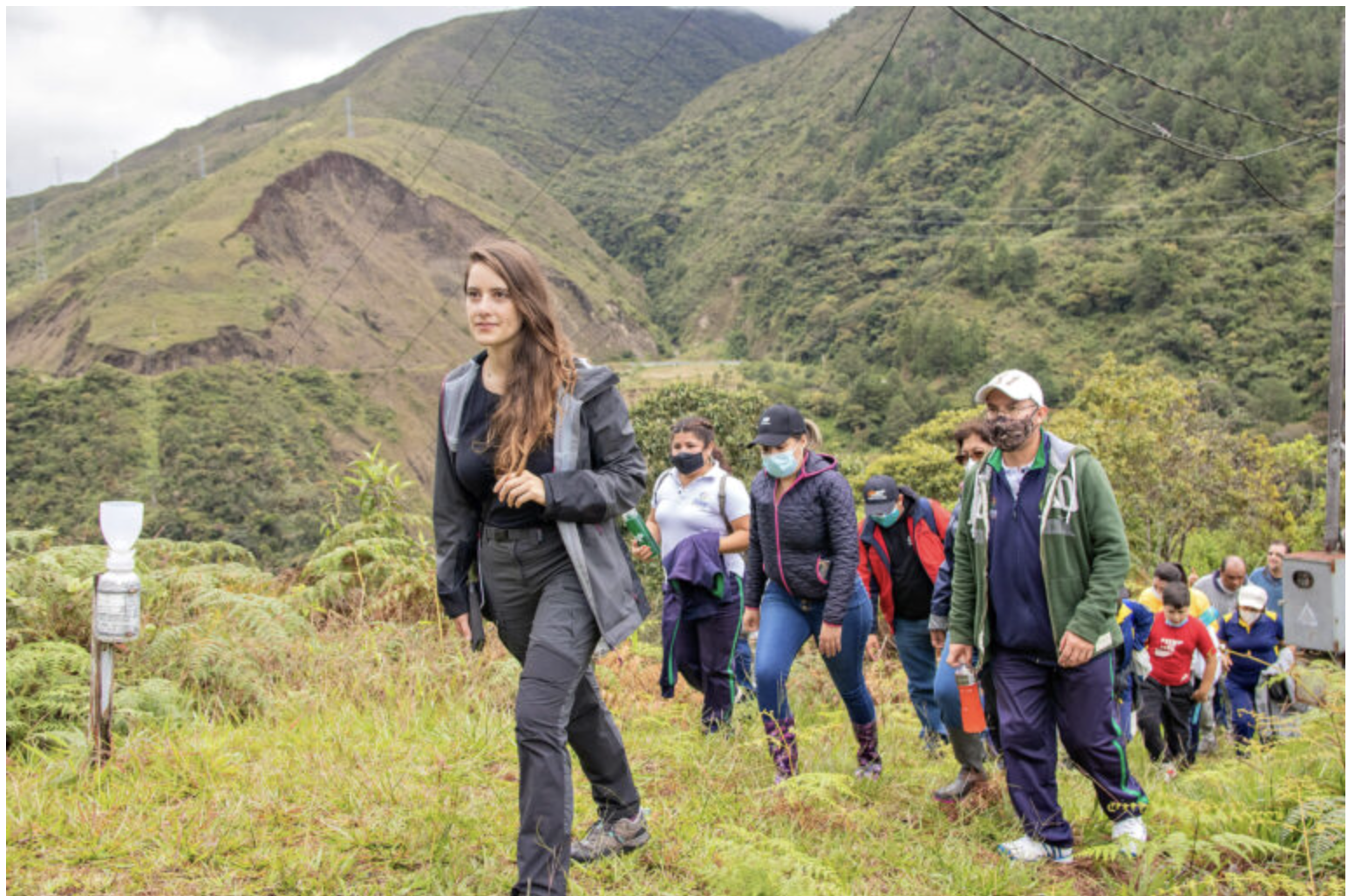
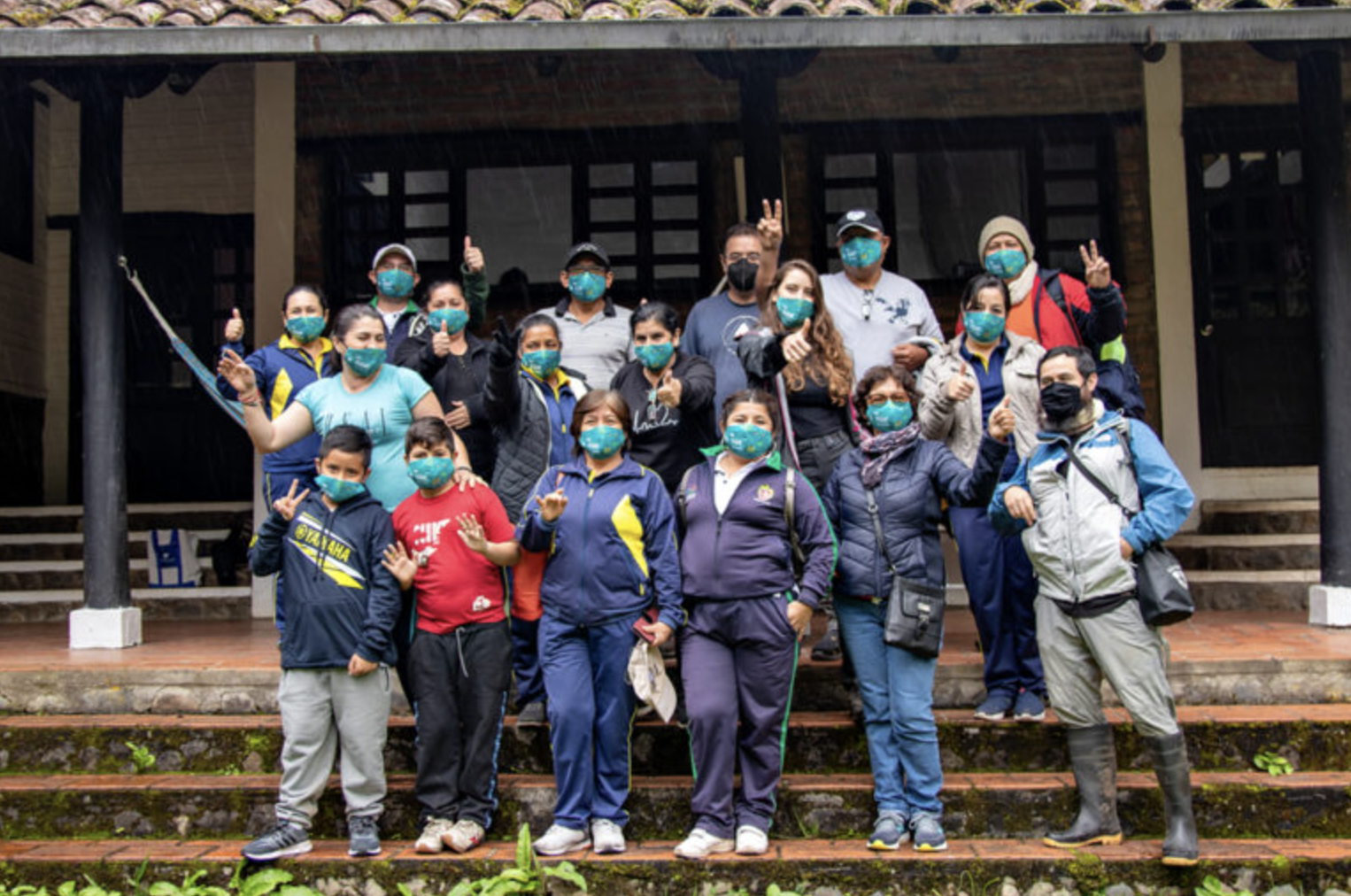
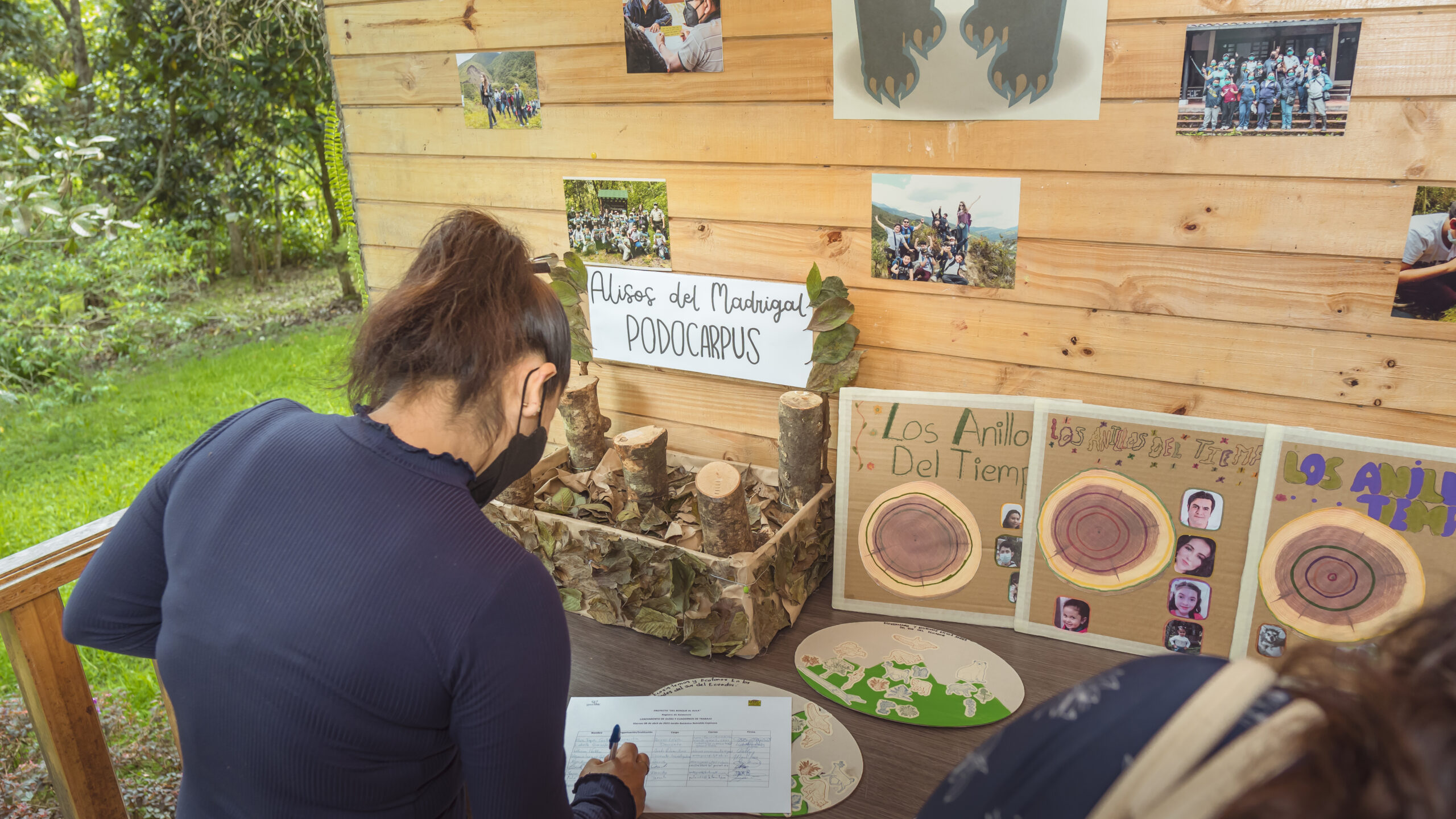
Over four months, teachers implemented the materials in 14 schools. More than 400 students engaged with the forest, through experiments, theatre, art, and storytelling.
The final moment came during an “open house” event, where children presented what they had learned to their families and communities.
Valeria still remembers it vividly:
“I was literally crying when I saw all of these children going over expectations… the enthusiasm with which they were explaining biodiversity to their communities, it was just amazing.”
The children learn about birds, water cycles, and forest ecosystems.But also became messengers, influencers, connectors between science and society. And that’s where the real transformation began.
Why the Andean forest matters for Cities
At first glance, this might seem like a rural conservation story. But the Andean forest is deeply connected to urban life. Water is the most visible link. The tropical Andean forest captures moisture, regulates hydrological cycles, and feeds rivers that support cities locally, and even downstream along the Amazon basin.
“Without forests, there is no water,” Valeria explains.
In a region already facing droughts and climate uncertainty, conserving the forest is about protecting trees and urban resilience.
Education as long-term conservation
The project demonstrates something powerful: conservation is truly about mindset.
Valeria puts it clearly: “With environmental education, we can change a whole generation.”
Research shows that scientific literacy strongly correlates with pro-environmental attitudes. By working with teachers, the “ambassadors of knowledge”, the project ensured long-term impact beyond a single intervention. And this model is now expanding.
Beyond Ecuador, gaia-liNc is currently working in Peru on community-led conservation initiatives, environmental education, and biodiversity protection, including projects supporting the endangered spider monkey.
Their approach combines:
- Knowledge transfer
- Capacity building
- Youth empowerment
- Community engagement
And they do it largely as a volunteer-driven NGO.
As Valeria shares: “Our only motivation is to create a positive impact in Latin America.”
They are open to collaborations, volunteers, and donors who want to support education-driven conservation. Find out how to get involved!
At What’s That Green?, we often talk about bringing nature back into cities. This episode reminds us that sometimes the path goes the other way: Because when children explain biodiversity to their parents, when teachers rediscover local ecosystems, when science becomes shared knowledge, conservation stops being distant policy and becomes community culture. And that may be the most resilient form of protection we have.
Host and writer: Fanny Téoule
Guest: Valeria Sorgato
Audio editor: Karl Dickinson
Music composer: Jenny Nedosekina
Graphic designer: Vivian Monteiro Malta & Julia Micklewright