Not all lessons a city can learn about Nature-based Solutions need to have urban roots. In Northern Catalonia, the co-operative Resilience Earth explores another path, using democracy, community governance, land stewardship, the local economy, and festivals rooted in regional culture and identity as tools to support and catalyse territorial regeneration. At the heart of this approach is the Aplec lltiŕ, a gathering that brings together communities in rural territories to connect, reflect, and co-create new ways of living with their territory
The Hidden Challenges of a Rural Idyll
Carla Güell Font has worked with Resilience Earth almost since it was set up ten years ago, and seems perfectly placed. She has an infectious enthusiasm for nature, which stems from her upbringing in the Pyrenees, where she grew up surrounded by forest, rivers, and farmland. But this intrinsic connection to rural life has made her sensitive to “the huge economic macro project” at work in the region – like many others – “that has a direct impact on the land and the aquifers of these beautiful valleys”.
She has seen the land she cares for become more depleted and rural education evaporates over time, as fewer young people are learning the old ways.
The Aplec lltiŕ project is an attempt to reverse this decline.
The Relevance of Culture
Over her decade of service with Resilience Earth, Carla has worked with more than 100 municipalities or villages – and maybe as many as 14 at a time. Each, she says, “has their own identity and their way of doing things in relation with the people and the land where they live”. The identity and culture that this creates is “sacred” but also not without change.
Carla recognises this. By understanding how to work with people and respecting their loves and concerns, she’s able to coordinate Aplec lltiŕ and encourage citizens to take the lead on their own solutions.
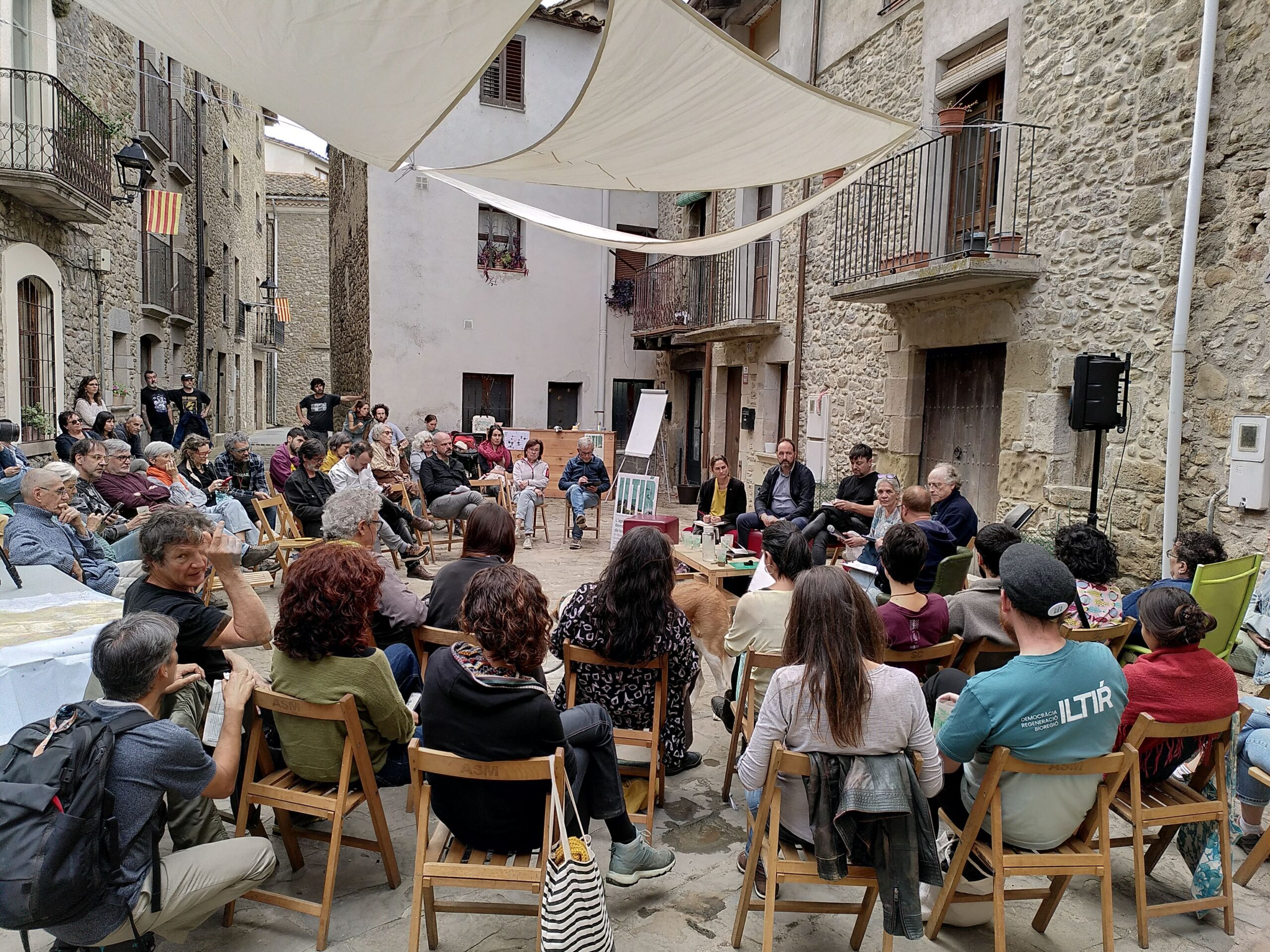
Introducing Aplec lltiŕ
But it didn’t work immediately; it took Resilience Earth a while to grasp what was really needed.
“In the beginning… we were looking only in one place,” Carla notes. The team would go from municipality to municipality, and deal with them individually. Over time they grew to realise more could be achieved by uniting all the villages and municipalities in a place – in either a valley or mountain area. This allows everyone to see the bigger picture and amplifies impact.
This meeting is the Aplec lltiŕ, an event where concerned citizens from smaller settlements in a sprawling geographical rural area are invited to come together to connect, to discuss their concerns and ideas, and to be heard.
The name is significant to the locals.
Aplec is a Catalan name linked to the community bonds provided by a church as a meeting place. “It is the place [where the] community goes together to celebrate but also to honour the land.”
Iltiŕ is an Iberian word with roots stretching back to before the Roman occupation of the region. It suggests that people have more than one identity: Catalan and European, for example.
So, Aplec lltiŕ refers to how people from different municipalities and rural areas, but with some shared sense of locational identity, can meet to “talk about how we can regenerate the place when we live”. Carla believes that it brings spatial and special cohesiveness. Even the government from Barcelona comes to listen to the locals. “This is a huge change.”
The Aplec lltiŕ in Action
The Aplec lltiŕ allowed residents to vent their concerns and made the space for constructive discussions.
Authorities learnt that people didn’t so much have an issue with the so-called invasion, but carried a fear “of losing something that really matters for them… their culture, their identity, and their relationship with the land”.
This realisation was a turning point. The project team understood that conflict in the “relationships between the urban and rural context” were afoot and efforts can be made to minimise the negative impacts of change. In fact, if managed well, tourism could add value to a territory – after all, it supports the local economy and these people “want to know more about the culture of this place” too. The Aplec lltiŕ opens up the necessary if difficult conversations about what Carla calls “the invisible dynamics” – the tensions, the trust among people, and the “common sense of our destiny”.
Community members, public officials, external experts, and residents from rural and urban places met “to learn and to reflect together on… how can tourism contribute to the life, culture, and ecosystem of a place rather than putting them at risk”.
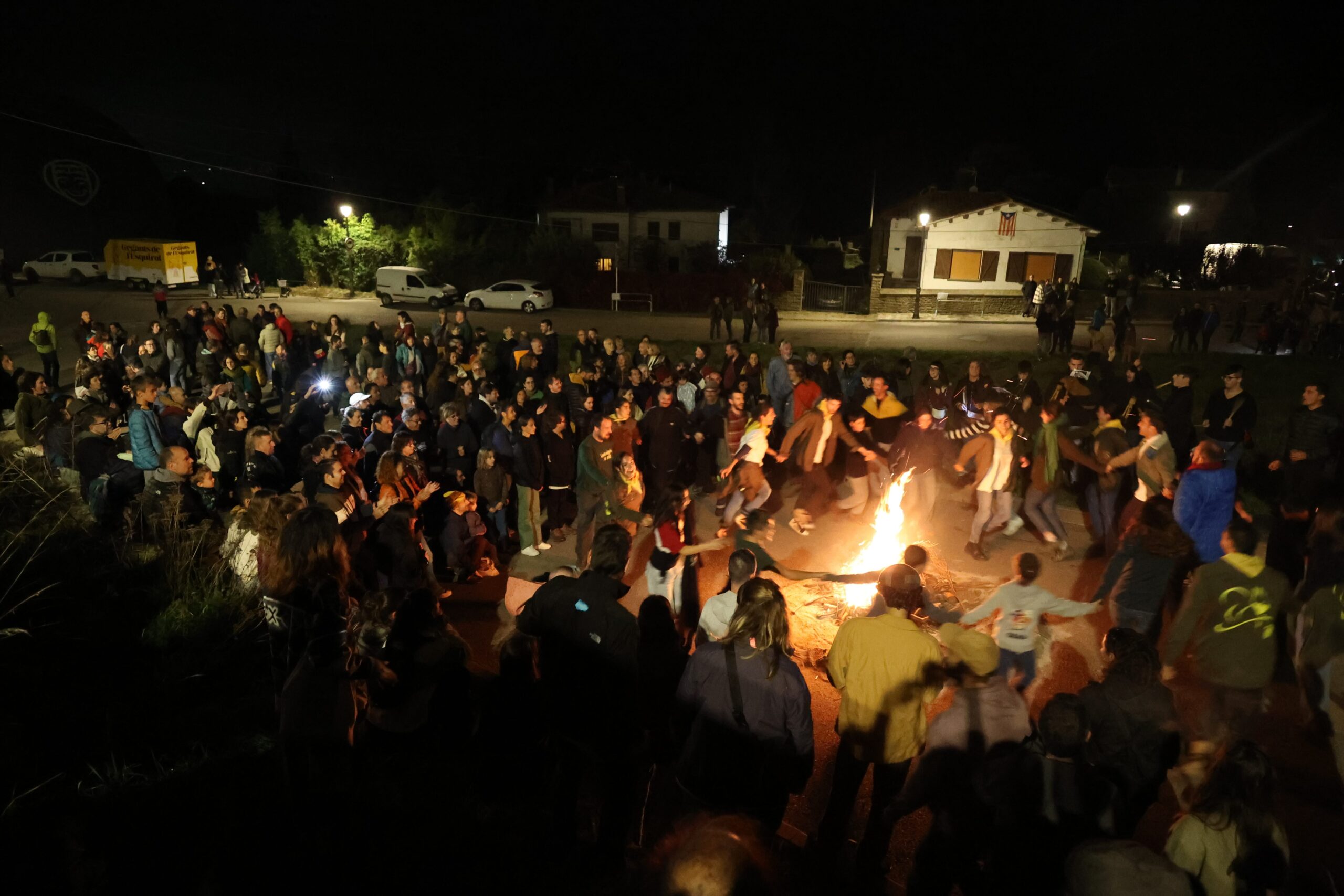
As many as 200 people came together from an area of 20 miles in a space where people were comfortable to express their vulnerabilities and tensions constructively through skillful moderation. Carla observes that it was extremely healing.
“It’s not about taking someone and saying, ‘You are wrong’. If we invite different people with different ways of thinking and understanding… to talk about how we can improve our place, our land. Something will change because we are moving from conflict to collaboration, from blaming each other to sharing responsibility, from complaining to co-creating solutions for the common good.”
Co-creating Nature-based Solutions
The Aplec lltiŕ is being used in the region to align stakeholders on the most pressing challenges. In 2024, this was the water shortage.
Growing populations in local municipalities are adding pressure to limited fresh water supplies in the valley of Latu.. They had to start transporting it to meet demand. This raised concerns about the relationship between the people and forests, land, and water.
Citizens’ natural reaction was to feel powerless, saying, Carla tells us, “We are so little. We don’t have competencies, we don’t have the resources”.
Discussions in the Aplec lltiŕ, however, showed them the connections between their knowledge about the local environment and the solutions they needed. Forest restoration, for example, is effective at getting water to return to the mountains naturally. This led to a change in approaches to forest management in Catalonia.
Art for Change
In the same year the Aplec lltiŕ facilitated the powerful transformative and co-creation capabilities of art.

Citizens rubbed shoulders with farmers, the fire service, performers, artists, and musicians from the area in “a very big spectacle” organised by Resilience Earth. “It was amazing because we had singers on top of the tractors singing in the middle of the square”; a DJ played music and used a light show “to create a very beautiful space”; and actors from a small local theatre simulated being seeds of medicinal plants. Real ones were collected from the mountains and burned on a fire in the middle of the square. “It was a kind of healing cultural process for the people… it was amazing”.
For all the fun they had, this served a significant role in adhering different stakeholders together as a community to help with future discussions.
Return of the Wolf
Sometimes nature itself can be the cause of conflict.
The return of wolves after 70 years is threatening sheep populations and therefore livelihoods.
Sightings of species either hunted or pushed out of an area is a positive sign for nature restoration: “It’s a very good indicator about the health of this land,” Carla explains. But after so long the shepherds have lost the ancestral knowledge of how to work alongside wolves in these territories, so the co-existence is unsustainable.
At least Catalonia’s government responded positively, offering economic support for any losses. But the farmers would prefer to protect their sheep in their care. Instead, what the farmers wanted was “a kind of big strategy to protect the sheep of Catalonia”, which is what a Aplec lltiŕ was set up to do.
“Really, the conflict wasn’t about wolves and sheep. The real conflict was about the model of our agriculture or our shepherd model in Catalonia,” Carla explains.
Farmers, academics, mayors, and local businesses were invited to discuss what they needed to change. At the heart of the matter was the question of what kind of relationship they wanted to have with the wolf – and how they could make this work.
To help, people with experience in this problem from other regions were asked to participate too. “And we started to talk about how they need to develop another economic model for this territory. And it was amazing, this kind of change of view.”
Get Involved
The next Aplec lltiŕ will be held on 25-27 September 2026 close to the Pyrenees in Catalonia. The main topics on the table will relate to housing and the energy transition; challenging issues for any municipality, but especially such small populations spread out across an entire valley or mountain.
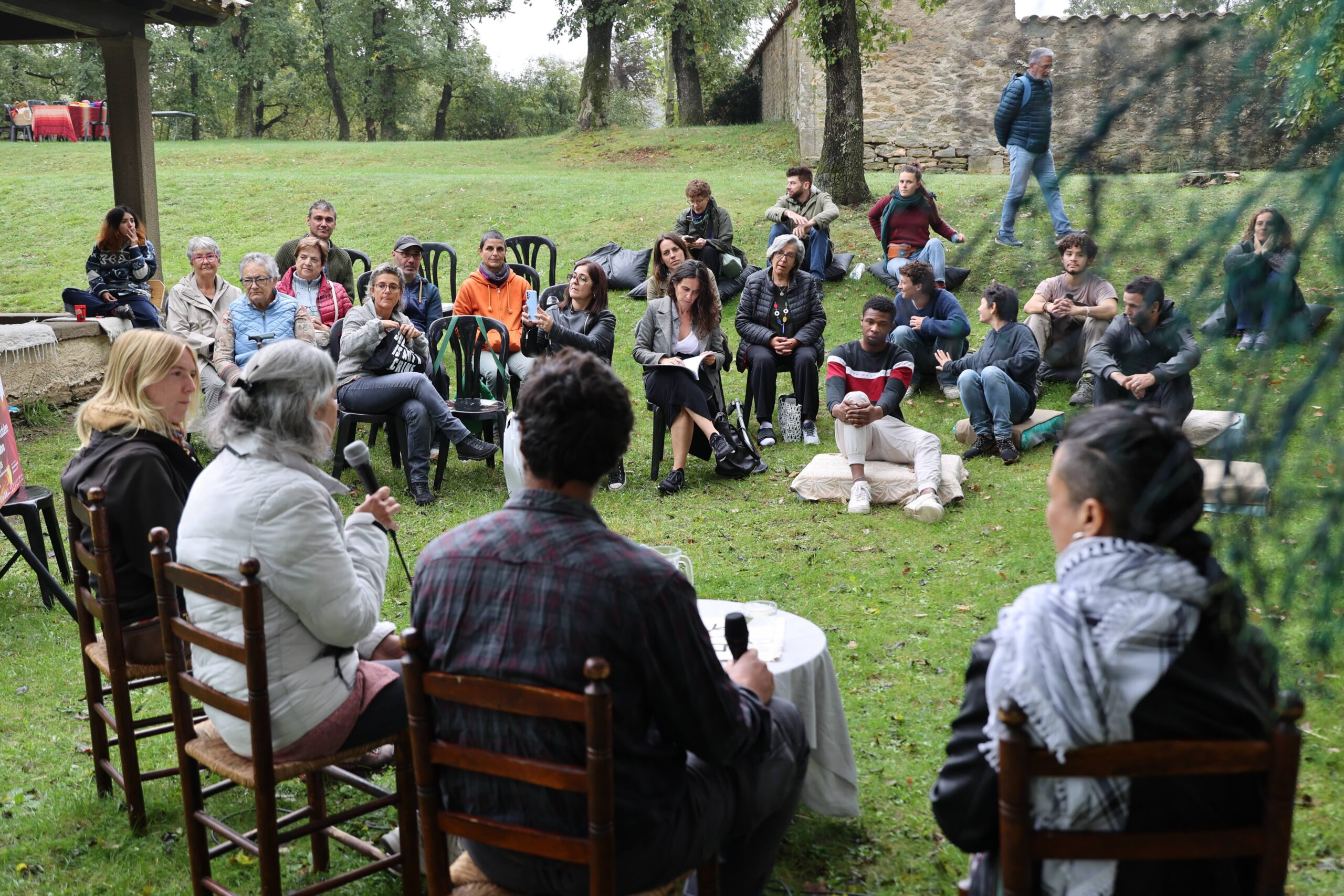
Carla stresses how important it is that this does not only involve locals – you’re welcome to join. “The future of rural territories requires many voices, many perspectives, and a shared responsibility.” Learn more on the Balkar Earth website, the co-operative’s learning community.
And as one last takeaway, Carla reminds us that before making a decision, we should always consider who and what will be impacted by it.
“It’s about the life that is surrounding us and all the time remember that we are not separated from the territory. We are part of it.” As such, “we have the responsibility to think more about not only human beings”.
It’s complex, she admits, but essential.
Host and co-writer: Fanny Téoule
Guest: Carla Güell Font
Audio editor and writer: Karl Dickinson
Music composer: Jenny Nedosekina
Graphic designer: Julia Micklewright
Listen to the previous episode

How can education protect one of the world’s most biodiverse forests? In this episode, we travel to the Ecuadorian Andes with Valeria Sorgato, co-founder...