Nature as Infrastructure, Before It Became Decoration

In this chapter, we will look at some historical examples that reveal how nature functioned not as background scenery, but as the very framework of urban infrastructure.
In this chapter, we will look at some historical examples that reveal how nature functioned not as background scenery, but as the very framework of urban infrastructure.
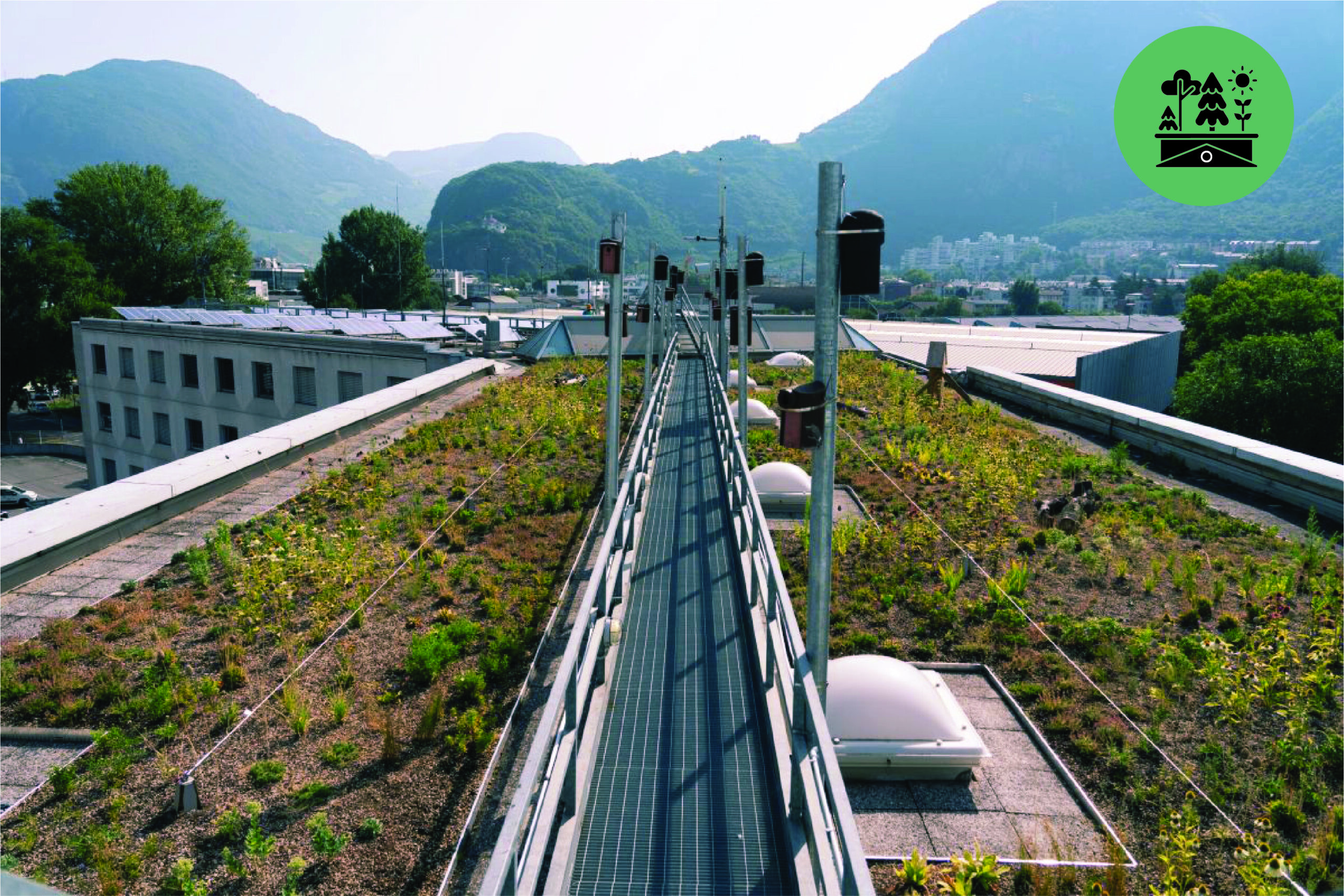
Can participatory methods such as Service Design (SD) help design, operate, and maintain Nature-Based Solutions in cities over the long term? This article explores the need for accessible participatory approaches such as Service Design to implement NbS and examines what worked—and what didn’t, in two real-world European cities, where energy efficiency, maintenance practices, and everyday behaviors directly influence the performance of green infrastructure and NbS. Through a service-design process, the goal was to examine how users interact with current environmental features, what motivates their choices, and how future NbS interventions could be designed to be intuitive, inclusive, and effective , and most importantly, to enhance a long-term plan for operation and NbS usability.
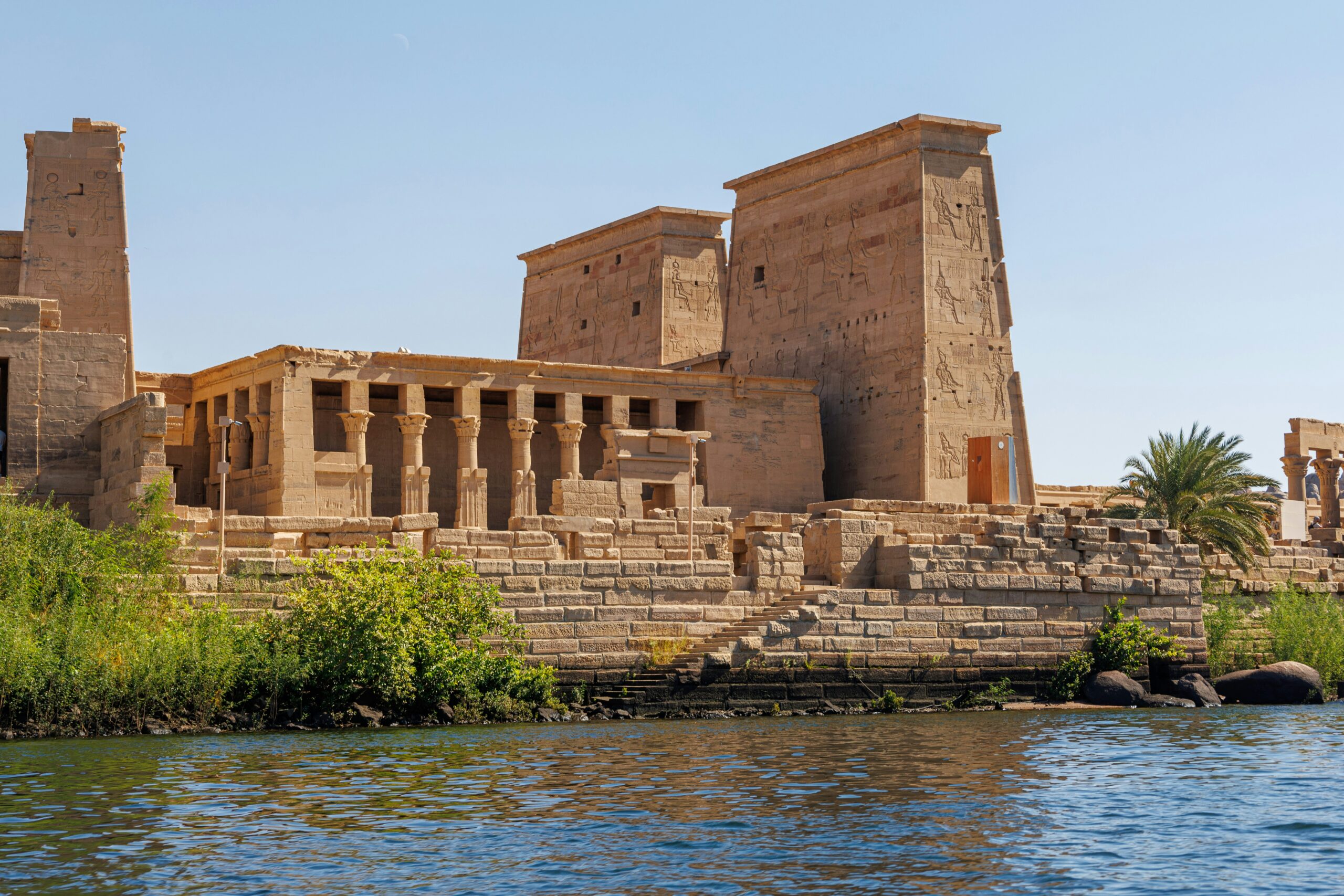
Water, Stone, and Sun: Nature as the First Urban Architect Chapter 2: Nature-Based Solutions in Historical Architecture by Danial Hosseini – 26.01.26 From the moment people began to settle and build, they turned instinctively to nature for guidance. The earliest cities did not rise against the landscape but within it, shaped by the rhythm of … Read moreWater, Stone, and Sun: Nature as the First Urban Architect

We often talk about green cities as if they’re a futuristic dream, with vertical forests, sponge cities, and buildings that breathe. But what if this “new” vision is actually a very old one?
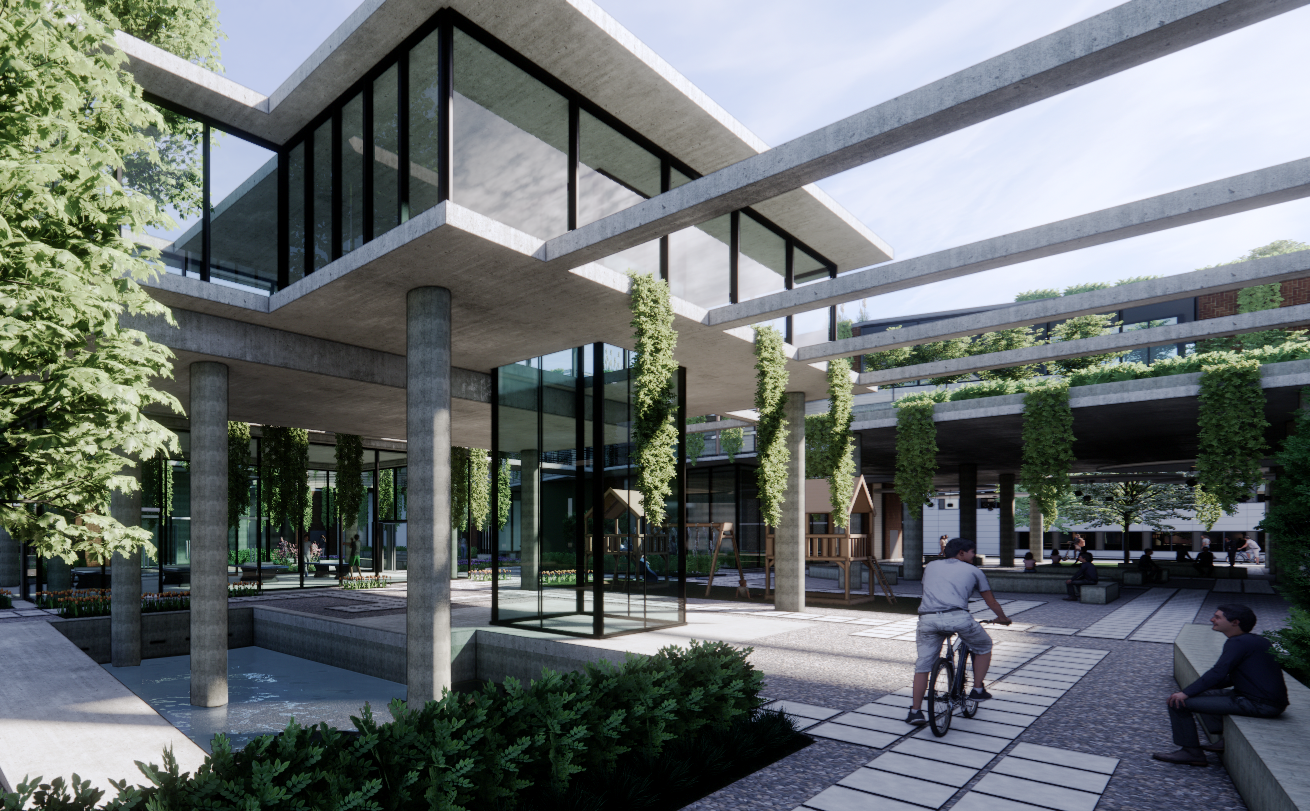
This piece explores how the built environment can move beyond form and efficiency to center human well-being and ecological connection. It reflects the personal journey of Juan A. Vivas from Argentina to Canada up to his thesis Human | Nature Architecture, and how that shift revealed the emotional consequences of over-sealed buildings.

Communities can drive nature-based solutions by starting with their strengths,instead of their problems. Explore how to leverage the ABCD approach for local resilience and green change.

Resilient cities are those that contain thriving natural elements, but many citizens are still oblivious to the presence of biodiversity around them, or the need to encourage and protect it. These tips for writing about nature in city settings may help authors improve how they communicate in the hope that more readers will become advocates for and stewards of urban nature, greenery, and nature-based initiatives.
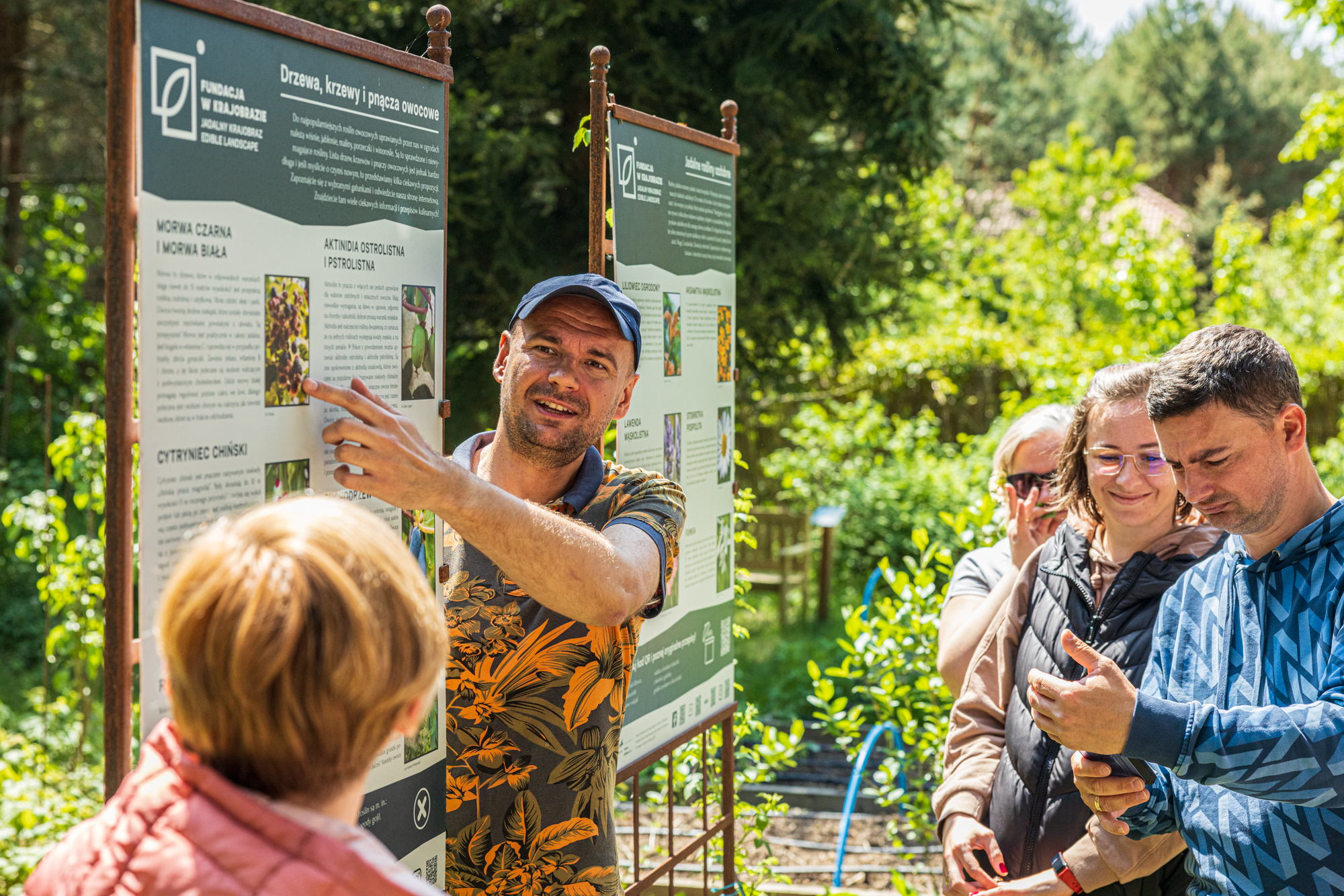
Did you know that every patch of land, no matter how small, can contribute to global sustainability? At the ‘In the Landscape’ Foundation, this belief is transforming communities and landscapes across Poland, turning them into beacons of ecological awareness and community empowerment.
Based on the case of the Greater Region of Mumbai, we will explore the importance of integrating nature in city planning to reduce urban flooding, enhance urban liveability and foster climate resilience
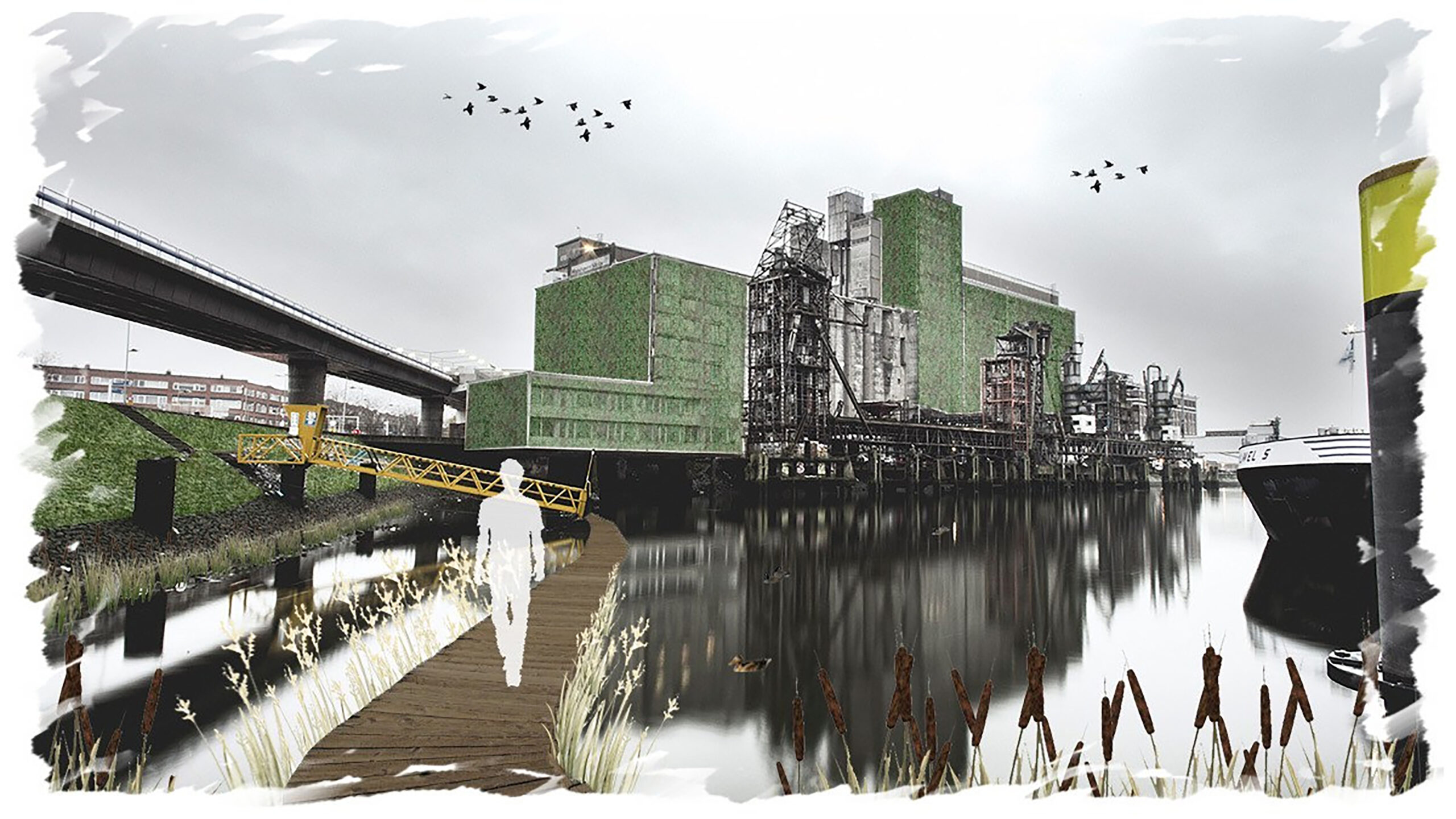
Discover the rapid growth of port Wastescapes since the 1900s. Learn how reclaiming these spaces can turn urban and suburban areas into vibrant Eco-social hubs, driving sustainable development forward.